What Are the 10 Best Assembly Line Manufacturers?
Choosing the 10 best Assembly Line manufacturers requires more than comparing factory size or product catalogs. A reliable evaluation must examine engineering experience, automation quality, safety design, service response, and measurable production results. It should also consider whether each manufacturer understands the customer’s actual workflow, rather than selling identical equipment to every factory.
Taiichi Ohno, a pioneering Toyota production engineer, said, “Without standards, you cannot have improvement.” That principle guides this review. Strong manufacturers build clear operating standards into conveyors, robotic stations, inspection systems, and control software. Their lines should move smoothly, like carefully timed gears, while allowing operators to work safely and maintenance teams to reach critical components quickly. Shorter cycle times matter. So do lower defect rates and practical energy use.
Real factories rarely behave like showroom demonstrations. A line may face dusty floors, changing product designs, limited space, or inconsistent supply quality. The best providers plan for those details. They test equipment under realistic loads, document performance, and provide training after installation. However, no ranking is perfect. Public information can be incomplete, and a manufacturer successful in automotive production may not suit food, electronics, or medical applications. That limitation deserves attention.
This guide compares leading Assembly Line manufacturers through technical capability, customization, reliability, global support, and long-term value. It also considers evidence from installations, certifications, customer feedback, and maintenance practices. Readers should treat the list as a practical starting point, not a final purchasing decision. A site audit and engineering consultation remain essential before signing any contract.
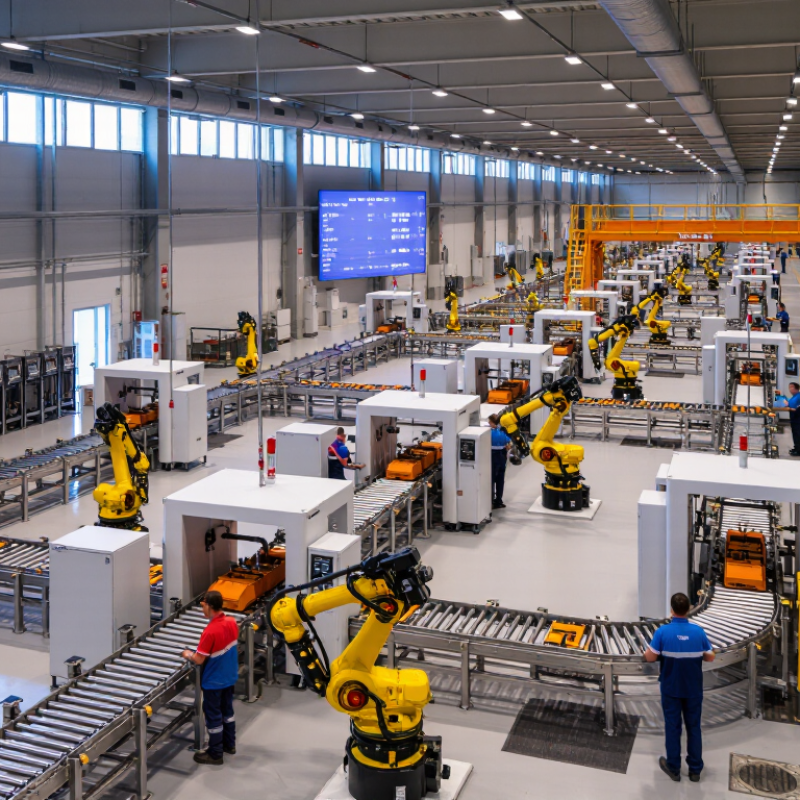
What Defines a Leading Assembly Line Manufacturer?
A leading assembly line manufacturer begins with listening. Engineers study the product, production volume, floor space, and operator workflow before suggesting equipment. They do not force one standard design onto every factory. A reliable provider can show experience with similar materials, cycle times, tolerances, and maintenance demands. Site visits, process audits, and pilot testing reveal details that drawings often miss.
Technical depth matters at every station. The manufacturer should integrate conveyors, fastening tools, sensors, controls, safety guarding, and quality inspection. Clear documentation helps technicians troubleshoot a stopped line at 2 a.m. Remote support is useful, but practical training matters more. Ask how quickly spare parts arrive and whether local technicians can respond. Small delays become expensive when workers wait beside an idle machine.
Performance claims need evidence. Look for measured cycle-time data, defect rates, uptime records, and factory acceptance tests. A trustworthy manufacturer explains limitations instead of promising perfect results. No factory gets every decision right. Even experienced teams may underestimate changeover time or operator fatigue. That weakness should invite testing, not concealment. Strong manufacturers refine the design after observing real production, including awkward reaches, loose cables, noisy tooling, and repeated manual adjustments. Their authority comes from documented results, transparent communication, and equipment that remains serviceable long after installation.
How to Evaluate the 10 Best Assembly Line Manufacturers
Evaluating the 10 best assembly line manufacturers requires more than comparing prices or polished brochures. Start with documented experience in your industry, product size, and production volume. Ask for reference projects with similar takt times, materials, and changeover demands. A factory visit can reveal details that proposals hide: cable labeling, spare-part storage, sensor placement, and the cleanliness of control cabinets. Small details matter.
Request measurable evidence. Compare cycle-time studies, first-pass yield, downtime records, and acceptance-test procedures. A capable manufacturer should explain how its line handles defects, manual adjustments, and future product changes. Review engineering credentials, safety controls, software ownership, and traceability records. Confirm who provides training and how quickly technicians respond after installation. Do not accept vague promises.
Test the numbers.
A strong evaluation also examines communication. Are drawings revised accurately? Are risks reported early? Does the supplier ask useful questions about operators, maintenance access, and floor space? Independent audits and customer references can strengthen confidence, but they are not perfect. A reference may describe an unusually successful project. My own assessment would include a weighted scorecard, sample components, and a witnessed factory acceptance test. I would also leave room for judgment. The cheapest bid may create expensive delays, while the most sophisticated system may exceed actual needs. Performance, serviceability, documentation, and long-term support should carry more weight than presentation quality.
Profiles of the 10 Best Assembly Line Manufacturers
The ten best assembly line manufacturers differ by engineering depth, not advertising volume. Profile one represents a high-speed automotive integrator, using servo presses and vision inspection. Profile two focuses on modular food lines, with stainless-steel frames and washdown-ready controls. Profile three specializes in electronics, where micron-level placement and clean handling matter. Profile four builds battery lines with traceability at every station. Profile five serves medical production, emphasizing validation records and controlled environments.
Profile six is a flexible automation specialist, suitable for mixed-model production. Profile seven combines conveyors, robots, and digital twins for faster commissioning. Profile eight focuses on heavy equipment, using torque monitoring for large components.
Profile nine delivers compact lines for smaller factories, although scalability can become a concern. Profile ten develops retrofit systems, extending older equipment instead of replacing everything. That practical option is often overlooked.
The International Federation of Robotics reported 541,302 industrial robots installed worldwide in 2023, with operational stock exceeding 4.28 million units. These figures show strong demand for reliable integration, not merely individual machines.
Deloitte’s manufacturing research also identifies connected operations, workforce skills, and data visibility as major competitiveness factors. During supplier evaluation, I would inspect cycle-time evidence, spare-parts response, safety documentation, and factory acceptance testing. A polished demonstration can hide weak maintenance planning.
The best profiles therefore include measurable uptime, transparent project references, and operators who can explain the system without rehearsed language. Performance claims still require verification.
Industries and Technologies Served by Top Manufacturers
The best assembly line manufacturers serve demanding industries with different production realities. Automotive plants need robotic welding, torque control, and precise material handling. Electronics factories depend on machine vision, micro-assembly, and electrostatic protection. Food and beverage facilities prioritize hygienic design, rapid changeovers, and reliable inspection systems. Pharmaceutical production requires controlled environments, accurate filling, and complete batch traceability.
Other leading manufacturers support logistics, renewable energy, medical devices, and consumer goods. Their technology portfolios often include programmable logic controllers, collaborative robots, automated guided vehicles, and manufacturing execution systems. Industrial sensors collect live data from motors, conveyors, and inspection stations. Digital twins can test layouts before installation, reducing expensive changes. Still, software integration is often harder than expected. A line may run quickly but provide weak data visibility.
Tips: Match the manufacturer’s experience to your industry, not just its equipment list. Ask for documented commissioning methods, maintenance training, spare-parts planning, and safety validation. Request a small pilot when possible. Check how the system handles product changes, manual intervention, and unexpected downtime. A supplier may promise flexibility, yet real flexibility appears during a difficult changeover. Also review energy use, cleaning access, and operator ergonomics. These details influence daily performance more than impressive demonstrations.
Industries Served by Leading Assembly Line Manufacturers
Number of 10 leading manufacturers with publicly documented experience in each industry
Automotive, industrial machinery, electronics, and consumer goods represent the broadest application areas. The figures reflect documented industry coverage rather than market share or revenue.
How to Choose the Right Assembly Line Manufacturer
Choosing the right assembly line manufacturer requires more than comparing prices or browsing a list of the ten best suppliers. Start with your product, output target, and floor layout. A reliable manufacturer should study your process before proposing equipment.
Ask for a clear process map, cycle-time calculation, and line-balancing report. Check whether the system supports your materials, tolerances, inspection steps, and future product changes. A line producing 600 units daily may fail if changeovers take two hours. Request a factory acceptance test using representative parts, not ideal samples. Small details matter.
Review engineering qualifications, safety documentation, software ownership, and component traceability. The manufacturer should explain guarding, emergency stops, electrical protection, and operator training in practical language. Confirm compliance with applicable local and international requirements. Vague answers are warning signs.
After-sales support deserves equal attention. Ask about spare-part availability, remote diagnostics, response times, and technician coverage in your region. Speak with recent customers, preferably those running similar products. Inspect a working installation if possible. Photos can hide awkward access points and poor cable routing.
Do not judge value by the initial quotation alone. Compare installation, validation, maintenance, energy use, tooling, and upgrade costs. A cheaper line may become expensive after repeated stoppages. I would also challenge the proposed automation level; full automation sounds impressive, but it can create unnecessary complexity for variable production. Some recommendations will be wrong. Recheck them against real operators, real parts, and real production data.
What Are the 10 Best Assembly Line Manufacturers? - How to Choose the Right Assembly Line Manufacturer
| Rank | Anonymous Manufacturer Profile | Primary Specialization | Automation Level | Typical Throughput | Integration Capability | Typical Lead Time | Best Fit | Selection Score |
| 1 | Profile A | Automotive assembly | High | 30–90 units/hour | Robotics, vision, MES, traceability | 6–12 months | High-volume standardized production | 9.4/10 |
| 2 | Profile B | Consumer electronics | High | 60–240 units/hour | Precision assembly, testing, data logging | 4–10 months | Compact products with frequent model changes | 9.2/10 |
| 3 | Profile C | Medical device assembly | Medium to high | 10–60 units/hour | Validation, cleanroom design, inspection | 8–16 months | Regulated and traceable production | 9.0/10 |
| 4 | Profile D | Packaging lines | High | 80–600 units/minute | Filling, labeling, inspection, palletizing | 5–12 months | Fast-moving consumer goods | 8.9/10 |
| 5 | Profile E | Battery module assembly | High | 20–120 modules/hour | Cell handling, torque control, testing | 8–18 months | Safety-critical energy systems | 8.8/10 |
| 6 | Profile F | Food and beverage processing | Medium to high | 100–800 units/minute | Hygienic design, filling, CIP support | 5–14 months | Sanitary high-throughput operations | 8.6/10 |
| 7 | Profile G | Industrial equipment | Medium | 2–20 units/hour | Flexible tooling, torque systems, testing | 6–14 months | Large, low-volume products | 8.4/10 |
| 8 | Profile H | Household appliances | Medium to high | 20–100 units/hour | Material handling, testing, packaging | 5–12 months | Mixed manual and automated operations | 8.2/10 |
| 9 | Profile I | Aerospace components | Medium | 1–15 units/hour | Precision tooling, documentation, inspection | 9–20 months | Low-volume, high-compliance production | 8.1/10 |
| 10 | Profile J | Custom contract manufacturing | Configurable | 5–80 units/hour | Modular cells, cobots, manual stations | 3–9 months | Start-ups and variable production demand | 7.9/10 |
Evaluation basis: The scores compare automation expertise, throughput suitability, system integration, quality control, customization, implementation time, and after-sales support. Throughput and lead-time figures are typical industry ranges and vary according to product complexity, testing requirements, line configuration, and production volume.