What is an Intensive Mixer and How Does it Work?
An Intensive mixer is a crucial tool in various industries, especially in manufacturing and food processing. It is designed to blend materials thoroughly in a short time. The mixer combines multiple ingredients to ensure uniformity in texture and consistency. Understanding how an Intensive mixer operates can greatly enhance production efficiency.
The operation of an Intensive mixer involves high shear forces, which promote effective mixing. This type of mixer can handle both dry and wet materials. It uses specially designed blades to create powerful flow patterns, which help to disperse particles rapidly. As a result, it produces a homogeneous mixture in less time compared to traditional mixers.
While the design of an Intensive mixer is generally effective, it is not without limitations. For instance, it requires regular maintenance to prevent wear and tear on its components. Additionally, not all materials may achieve the desired results when mixed with this equipment. Users must consider the specific properties of their ingredients and adjust settings accordingly. Understanding these nuances can lead to better outcomes and improve overall production reliability.
What is an Intensive Mixer?
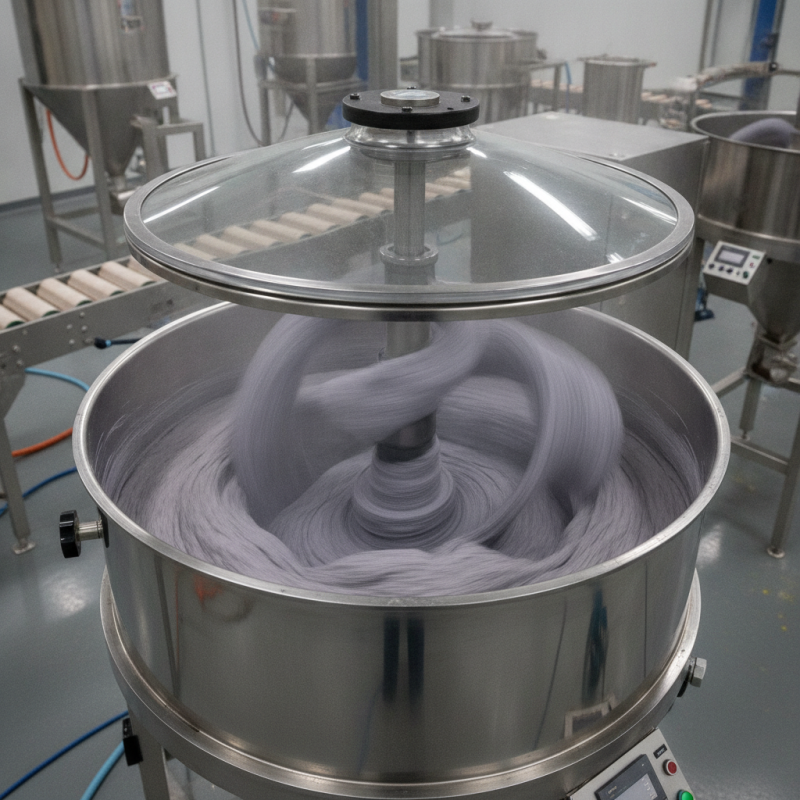
An intensive mixer is a powerful piece of equipment commonly used in various industries. It is designed to blend materials thoroughly and effectively. These mixers are known for their ability to handle a wide range of substances, including powders, granules, and liquids. They typically consist of two main components: a mixing chamber and high-speed blades or paddles. The distinctive feature of an intensive mixer is its capability to create intense shear forces, which help to combine materials uniformly.
In practice, an intensive mixer functions by drawing materials into the chamber, where they are subjected to high shear mixing. The mixing action occurs at a rapid speed, promoting quick and efficient blending. Depending on the specific design, these mixers can also incorporate heating elements to speed up reactions or facilitate the blending of challenging substances. However, it is essential to consider that not all materials respond well to the extreme conditions inside an intensive mixer. Some may clump or degrade under such intense forces, leading to inconsistent results.
Operators need to maintain a keen eye on the mixing process. There may be a learning curve in determining the right mix time and speed for various materials. Additionally, potential wear and tear on the blades can affect efficiency. Thus, ongoing monitoring and adjustments are crucial. The process can seem straightforward, but it requires a combination of skill and knowledge to achieve optimal results.
Intensive Mixer Performance Comparison
This chart illustrates the mixing efficiency of different types of intensive mixers measured by the average mixing time (in seconds) and the energy consumption (in kWh). The data highlights the performance variations among mixers designed for different applications.
Key Components of an Intensive Mixer
An intensive mixer is a crucial piece of equipment in industries like food processing, pharmaceuticals, and chemicals. It combines various ingredients efficiently. The key components of an intensive mixer contribute to its unique functionality.
One vital component is the rotor. This rotating part creates a strong mixing action. It helps to achieve a homogeneous blend by circulating the materials quickly. The stator works alongside the rotor. It provides stability and allows for better dispersion of the ingredients. The size and shape of these components can greatly influence the mixing efficiency.
Another important aspect is the control system. Modern intensive mixers often include automated controls. These features allow for precise adjustments during the mixing process. However, relying too much on technology can sometimes lead to oversight. There’s a risk of not monitoring the mix closely enough. Operators should remain vigilant to ensure quality. Proper maintenance of the mixer is also essential for its longevity. Regular checks can prevent unexpected downtime and costly repairs.
Principle of Operation in Intensive Mixers
Intensive mixers operate on a well-defined principle that revolves around the shear forces generated during mixing. These mixers employ high-speed rotating blades to combine materials efficiently. The design ensures that particles are subjected to intense mechanical force, leading to swift blending of various components. According to the Mixing Equipment Manufacturers Association (MEMA), intensive mixers can achieve homogeneity levels exceeding 95% in under five minutes.
The operational principle of intensive mixers hinges on their ability to create turbulence. This action breaks down particle agglomerates, ensuring a consistent mixture. Experts note that the high-energy input allows for direct interaction between materials. This interaction fosters chemical reactions and thermal changes. Reports suggest that in applications like polymer production, these mixers enhance process efficiency by reducing mixing time by up to 60%.
Precision is crucial when determining the mixer's speed and blade design. Various materials present different flow characteristics. Achieving the desired outcome can be challenging. For instance, thicker materials may require adjustments in speed and duration. Understanding these nuances is vital for optimizing performance. While intensive mixers offer remarkable efficiency, their setup demands careful consideration to avoid inconsistencies.
What is an Intensive Mixer and How Does it Work? - Principle of Operation in Intensive Mixers
| Parameter | Description | Typical Value |
| Mixer Type | High-shear dispersion mixer designed for rapid and thorough mixing. | Intensive Mixer |
| Operating Principle | Utilizes mechanical shear and turbulence to mix materials effectively. | Shear and Turbulence |
| Typical Applications | Used in food processing, pharmaceuticals, and chemical production. | Food, Pharma, Chemicals |
| Mixing Speed | The speed at which the mixer operates to achieve optimal blending. | 200 - 3000 RPM |
| Power Consumption | Energy required for the mixer to operate at its optimum level. | 5 - 100 kW |
| Volume Capacity | Amount of material the mixer can handle in one batch. | 10 - 5000 Liters |
| Material Types | Can mix dry powders, liquids, and pastes. | Powders, Liquids, Pastes |
Applications of Intensive Mixers in Various Industries
Intensive mixers play a crucial role in various industries, enhancing the efficiency of manufacturing processes. These mixers are commonly used in the food, chemical, and pharmaceutical sectors. In the food industry, for example, they help achieve uniform blending of ingredients, ensuring consistency in product quality. According to recent reports, the global market for industrial mixers was valued at approximately $5 billion in 2020, with projections indicating a steady growth rate of about 4.5% annually.
In the pharmaceutical sector, intensive mixers aid in the creation of homogenous mixtures for tablets and ointments. Precise blending is essential here due to the active ingredients’ varying properties. Notably, a study by a leading chemical engineering journal highlighted that improperly mixed compounds could lead to inconsistent dosages, raising concerns about medication safety. This emphasizes the need for reliable mixer performance.
Another significant application is in the construction industry, where intensive mixers ensure that materials like cement, aggregates, and additives blend thoroughly. A recent industry report indicated that inadequate mixing could increase production costs by 15% due to material wastage. This underlines the importance of proper equipment selection for maintaining quality and minimizing costs.
Benefits of Using an Intensive Mixer for Material Processing
Intensive mixers play a crucial role in material processing. They offer unique benefits that streamline operations and improve product quality. By using an intensive mixer, you can achieve better dispersion and homogenization of materials. This leads to increased consistency in your final products.
One significant advantage is the efficient mixing of materials. The design allows for high shear forces, breaking down particle size. This results in better interaction between components. Moreover, the process usually takes less time compared to traditional mixers.
Tips: Regular maintenance of the mixer is essential. Neglecting it can lead to inconsistencies. Always check for wear and tear. Another tip is to monitor the mixing time carefully. Overmixing can degrade some materials, impacting quality.
Using an intensive mixer can cut production costs in the long run. You may also notice reduced waste due to improved accuracy in mixing. However, be aware that an initial investment is necessary. Understanding the needs of your materials will help in making the right choice. Experimentation may be required to find the optimal conditions.