What is Floor Fountain Equipment and How to Choose the Best?

Choosing the right Floor Fountain Equipment can enhance any space. These features add beauty and tranquility to gardens, patios, or indoor areas. However, selecting the best option is not always straightforward.

Quality and functionality are crucial. Many types of floor fountains exist, each varying in size, design, and materials. A well-chosen piece can elevate an ordinary space. Be aware, though, that cost can reflect durability and maintenance needs. An expensive option may not always be the best.

Don’t overlook safety and installation. Some floor fountain equipment might require professional help. It’s essential to consider these factors to ensure you make an informed decision. A fountain should serve its purpose without causing inconvenience or risk. Reflect on your choices carefully to select the ideal fountain for your needs.
What is Floor Fountain Equipment and How to Choose the Best?

What is Floor Fountain Equipment?

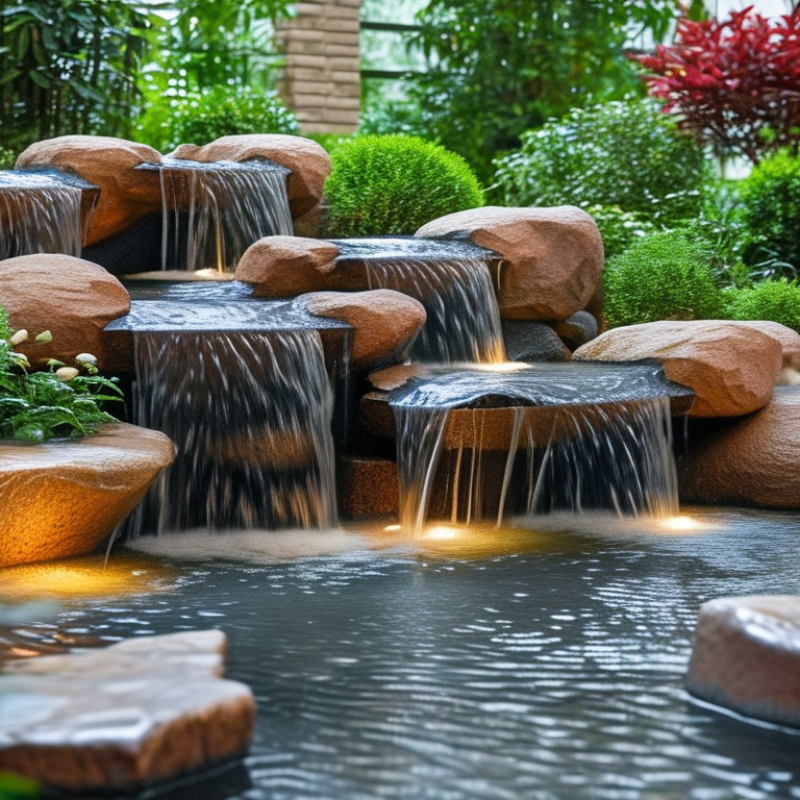
Floor fountain equipment is increasingly popular in both residential and commercial settings. These installations provide an aesthetic appeal and enhance outdoor spaces. They can take many forms, including flat jets, bubbler fountains, and traditional spouts. According to industry reports, the global market for water features is expected to grow at a CAGR of 5.8% through 2026. This highlights the increasing demand for engaging outdoor experiences.

Choosing the right floor fountain equipment involves several considerations. It is vital to evaluate the space available and the specific design preferences. Some fountains are more suited for smaller areas, while others require more expansive settings to achieve their full effect. Reports indicate that water quality is crucial. Regular maintenance is necessary to prevent issues like algae growth, which can detract from the fountain's beauty.

Safety is another critical factor. Fountain design must adhere to safety standards to prevent accidents, especially in public installations. Some models can pose slip hazards. Transparency about the materials used is also essential; they should be durable and resistant to outdoor elements. As trends evolve, users must reflect on functionality versus aesthetics. This balance is key to selecting fountain equipment that remains appealing over time.

Key Components of Floor Fountain Systems

When exploring floor fountain systems, understanding the key components is crucial. These systems typically include water pumps, lighting elements, and water features. The water pump circulates the water, ensuring a smooth flow. Selecting a pump with the right power is vital; too weak and the fountain won't work well, too strong and it may cause splashing.

Lighting is another essential aspect. Proper lighting enhances the visual appeal, especially during nighttime. LED lights are popular for their energy efficiency and longevity. Adjustability is significant; lighting should create a soothing ambiance during the day and a vibrant display at night.

Water features such as sprays, jets, or sheets add dynamism to the fountain. Each feature offers a unique aesthetic, creating different experiences. It's advisable to consider the maintenance needs of each component. Sometimes, the simplest setup requires more upkeep than a complex one. Balancing aesthetics, functionality, and maintenance will lead to a better choice for your outdoor or indoor space.

What is Floor Fountain Equipment and How to Choose the Best? - Key Components of Floor Fountain Systems

Component Description Importance Considerations
Water Pump Circulates water through the fountain system. Critical for maintaining water flow and fountain aesthetics. Choose a pump with appropriate flow rate for your fountain size.
Water Filtration Removes debris and contaminants from the water. Essential for keeping water clean and prolonging pump life. Consider automated filters for ease of maintenance.
Control System Manages fountain operation and features like lighting. Key for customizing water patterns and effects. Look for programmable options for versatility.
Lighting Illuminates the fountain, enhancing visual appeal. Enhances ambiance, especially during nighttime use. LED options are energy-efficient and long-lasting.
Nozzles Shapes the water flow to create various effects. Critical for achieving desired aesthetic effects. Choose adjustable nozzles for a range of water patterns.

Benefits of Installing a Floor Fountain

Floor fountains offer unique benefits for residential and commercial spaces. They create a calming atmosphere that enhances relaxation and focus. According to a report from the Environmental Protection Agency, indoor water features can significantly improve air quality by adding humidity. This is especially beneficial in dry climates where low humidity can lead to discomfort.

Moreover, floor fountains can serve as striking focal points in a room. They often attract attention and spark conversations, making them ideal for lobbies and living areas. A study by the National Association of Landscape Professionals found that incorporating water features can increase property value by up to 15%. This highlights their appeal not just for aesthetics but also for financial investment.

In addition to beauty, floor fountains can mask unwanted noise. The gentle sound of flowing water creates a serene environment, blocking out distractions. However, potential buyers should reflect on maintenance. Regular cleaning and water checks are necessary to ensure proper function. Balancing beauty and upkeep is crucial when choosing the right piece.

Factors to Consider When Choosing Floor Fountain Equipment

When selecting floor fountain equipment, several factors should be prioritized. One crucial element is the size of the space. Different fountains suit various room dimensions. A large fountain can dominate a small area, making it feel cramped. Conversely, a small fountain may not provide enough impact in a spacious environment.

Another important consideration is the material of the fountain. Options vary from stone to fiberglass, affecting the fountain’s appearance and durability. Stone fountains often exude a classic charm but can be heavy and costly. Fiberglass fountains are lighter and easier to move, making them suitable for casual settings.

Water quality plays a critical role. A good filtration system keeps the water clean and clear. Some fountains may require frequent maintenance, impacting their long-term usability. Assessing maintenance needs before purchasing is vital to avoid future dissatisfaction. Additionally, consider noise levels. A gentle trickle may provide a calming atmosphere, while a loud cascade can be distracting. Weighing these elements helps create an enjoyable and efficient water feature in your space.

Top Brands and Models of Floor Fountain Equipment

When exploring floor fountain equipment, several brands and models stand out for their quality and design. Popular choices feature various materials, from natural stone to durable resin. An important factor in selection is the style of the fountain. A traditional design may complement a classic garden, while a modern look suits contemporary spaces.

When evaluating specific models, consider their size and functionality. Some fountains are compact, ideal for small patios or balconies. Others are larger and may require more installation effort. Check user reviews for reliability and maintenance tips. Many users appreciate ease of setup, while others mention challenges with pump performance.

Another point to reflect on is the range of features. Some floor fountains include LED lights, enhancing nighttime ambiance. It’s crucial to balance aesthetics with practicality. While a stunning fountain can elevate a space, ongoing maintenance is necessary. Water quality, pump upkeep, and seasonal changes demand attention. Selecting the right model involves thoughtful consideration of both beauty and care.

Let's Build Together

Contact Us: Call 435-563-3503

-OR-  Fill in the form below and we will call you back.

Copyright © 2025CNC Fabrication. All Rights Reserved.