How to Choose the Right Manhole Cover in 2026?
Choosing the right Manhole cover in 2026 requires more than checking its diameter. A safe selection must match traffic loads, installation depth, drainage conditions, and maintenance needs. It must also suit the surrounding pavement, sidewalk, or industrial yard.
“Performance begins with the complete cover-and-frame system, not the lid alone,” says Daniel Harper, a veteran manhole-cover design consultant. His point is practical. A heavy-duty cover can still fail when the frame sits unevenly, the bedding is weak, or the opening is measured incorrectly. Small installation errors can create rocking, noise, and premature damage.
Start with the location. A residential walkway usually needs different protection from a busy freight road. Consider load class, material, locking requirements, ventilation, corrosion exposure, and lifting access. Ductile iron often provides strong load performance. Composite options may reduce weight and corrosion concerns. However, no material is perfect.
That deserves attention.
Buyers should review recognized testing standards, supplier records, and installation guidance. Product photographs are not enough. Ask for documented load ratings, dimensional drawings, inspection procedures, and warranty terms. Experienced contractors can also reveal problems that catalogs rarely mention.
The process is not always tidy. Site measurements may conflict with old drawings. Drainage patterns may change after resurfacing. A low-cost cover may appear attractive, yet create higher maintenance expenses later. The best choice balances safety, service life, local conditions, and practical handling. In 2026, responsible selection means examining the entire system before approving a single Manhole cover.
What Is a Manhole Cover and Why Does the Right Choice Matter?
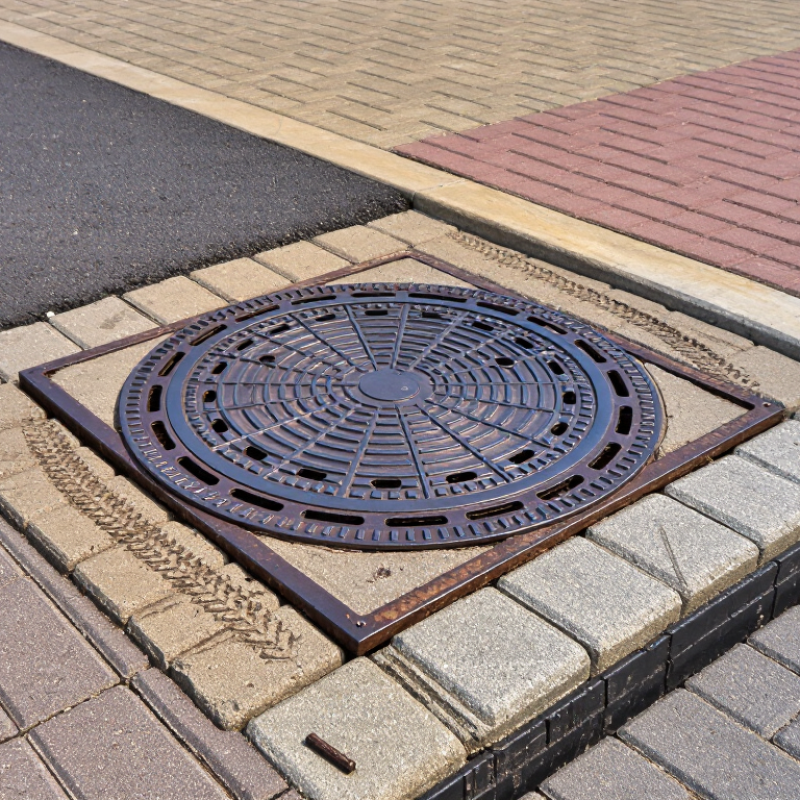
A manhole cover is the removable, load-bearing lid over an underground access chamber. It protects workers, pedestrians, and drainage systems from open shafts. The frame transfers traffic pressure into the surrounding pavement, not just the lid. That detail is often overlooked.
The right choice matters because failure can be sudden. A loose cover may rock under a bus wheel, create noise, or damage the frame. An unsuitable design can also admit stormwater, grit, and debris. The U.S. Environmental Protection Agency’s 2022 Clean Watersheds Needs Survey estimated $630.1 billion in wastewater infrastructure needs. Access components are small, but repeated failures add maintenance costs. The American Society of Civil Engineers gave U.S. wastewater infrastructure a D+ grade in its 2021 report card.
Selection should begin with location and loading. A pedestrian walkway needs a different class from a freight route or airport apron. EN 124 load classes help engineers match covers to expected forces. Material, anti-slip texture, hinge security, ventilation, and corrosion resistance also deserve review. Measure the clear opening and frame before ordering. Field experience shows that drawings are not always accurate. A perfect cover can still fail on a damaged seating ring or weak pavement.
Some choices remain uncertain. Heavy cast iron is durable, yet lifting risks increase. Lightweight composite covers reduce handling effort, but local acceptance may vary. A documented inspection, realistic load assessment, and qualified installation team make the decision more reliable.
How to Choose the Right Manhole Cover in 2026?
What Is a Manhole Cover and Why Does the Right Choice Matter?
Manhole covers provide safe access to underground utility, drainage, and inspection chambers while protecting pedestrians, vehicles, and infrastructure. The chart compares the load-test ratings defined by EN 124-2. Select the class according to the location and expected traffic: A15 is intended for pedestrian areas, while D400 is commonly used for roads and vehicle-access areas. The listed values are test loads in kilonewtons, not a direct estimate of everyday vehicle weight. Always confirm local regulations, installation conditions, support frames, and traffic requirements before specification.
How to Assess Load Ratings, Traffic Conditions, and Safety Requirements
How to Choose the Right Manhole Cover in 2026?
A manhole cover should match the site’s real load, not an optimistic estimate. Record vehicle types, axle weights, turning movements, and traffic frequency. A quiet parking bay differs greatly from a freight route or airport service road. Check the required load rating against current engineering standards and local authority requirements. Leave a reasonable safety margin. Heavy vehicles create dynamic impact, especially over uneven frames.
Inspect the installation area closely. A cover beside a junction may experience braking, vibration, and repeated wheel strikes. Measure the clear opening, frame depth, support condition, and surrounding pavement. The frame must sit firmly and evenly. Even a strong cover can fail when its frame rocks on weak concrete. That detail is often missed.
Safety also depends on daily use. Choose an anti-slip surface where rain, mud, or oil may collect. Locking systems can reduce displacement, theft, and accidental opening. Hinged designs may improve handling, but they still need controlled access. Consider ventilation needs before selecting a sealed model. Workers also need safe lifting points and practical maintenance access.
In field inspections, small defects often reveal larger problems. Rust around the frame, loose bedding, or a sharp height difference deserves immediate review. Never rely only on a catalogue rating. Ask a qualified engineer to verify unusual sites, changing traffic patterns, and flood-prone locations. I have seen simple assumptions age badly. Recheck the choice when road use changes.
How to Match Manhole Cover Standards and Costs to the Project Needs
How to Choose the Right Manhole Cover in 2026?
How to Match Manhole Cover Standards and Costs to the Project Needs
A manhole cover must match its location, traffic load, and maintenance conditions. A pedestrian walkway needs different protection than a busy freight road. In Europe, EN 124 load classes range from A15 to F900. Local authorities may require additional tests, dimensions, or locking systems. Always confirm the project specification before ordering. A familiar standard is not automatically enough.
Cost decisions should include more than the purchase price. Compare material strength, coating quality, hinge design, installation time, and expected service life. Ductile iron may cost more than basic cast iron, but it can reduce cracking and replacement work. Covers in coastal areas also need stronger corrosion resistance. Ask for test reports, load classifications, and traceable production records. These documents support reliable procurement and future inspections.
Small details matter.
A cover that fits poorly can rock, smell, or create dangerous noise. Measure the clear opening, frame depth, surrounding pavement, and drainage level on site. I have seen budgets focus heavily on the cover while ignoring frame installation. That approach creates hidden costs. It is also worth checking whether lifting tools and replacement parts are locally available. Some specifications seem clear until construction begins. Rechecking measurements and standards before delivery may feel repetitive, but it prevents expensive corrections.