How to Choose the Right Air Release Valve?

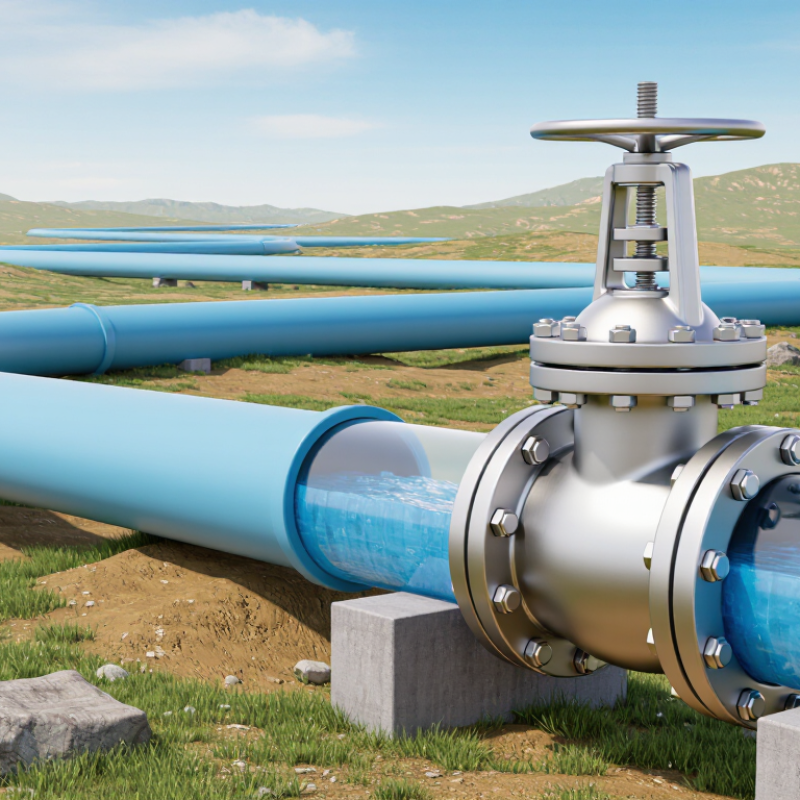
An Air Release Valve may look like a small fitting, yet its choice can affect an entire pipeline. Trapped air gathers at high points, where it can restrict flow, cause pressure fluctuations, and interfere with reliable operation. Picture a long water main climbing over uneven ground: the valve at its summit must release accumulated air under the conditions the system actually experiences. The wrong model may leak, clog, or fail to vent air quickly enough. Details matter.

As [verified air-valve specialist’s name] puts it, “[Insert a quotation confirmed from a reliable source about air release valve selection].” A named expert’s words should be checked against an original, trustworthy source before publication; an invented quotation can mislead readers. This guide focuses on the practical selection questions: what fluid the line carries, where air collects, the operating pressure range, and whether the system needs an air release, air and vacuum, or combination valve. These types serve different purposes. They are not interchangeable.

Selection also depends on installation conditions. A valve exposed to sediment, corrosion, or freezing temperatures may need different materials and maintenance access than one in a clean indoor line. Check the manufacturer’s sizing data, pressure limits, and installation instructions, then compare them with the system’s design information. Even then, assumptions deserve a second look. Pipe layouts change. Operating conditions do, too. A careful choice starts with the real system—not just the connection size.
How to Choose the Right Air Release Valve?

Understanding How Air Release Valves Work

How to Choose the Right Air Release Valve?

An air release valve removes unwanted air from a pressurized water pipeline. Water carries dissolved air into the system. Pressure changes then make that air collect at high points. This small pocket can restrict flow. It may also create noisy operation, vibration, or inaccurate flow readings.

During normal operation, the valve’s float stays near the water surface. As air enters the valve chamber, the water level falls. The float drops and opens a small outlet. Air escapes until water lifts the float again. The opening then closes without requiring manual control. This cycle is simple, but real systems are rarely perfect. Temperature, pressure, and water quality can change its response.

Understanding the cycle helps determine the correct valve type. A standard air release valve handles small air pockets under pressure. An air and vacuum valve also releases large air volumes during pipeline filling. It admits air during draining or sudden pressure loss. Field experience matters here. A valve installed at a high point may still perform poorly if the chamber is undersized. Poor alignment can also trap water and debris.

Selection should consider operating pressure, pipe diameter, expected air volume, and installation location. Check the manufacturer’s tested performance data, not only the connection size. Place valves at summits, long uphill sections, and near pump discharge lines when appropriate. Regular inspection is valuable. Sediment can prevent the float from sealing, even when the valve appears intact.

Identifying Air Management Needs in a Pipeline

How to Choose the Right Air Release Valve?

Identifying Air Management Needs in a Pipeline

Start with the pipe. Map high points, long uphill runs, steep grade changes, and pump discharge locations, where air can collect or pressure can shift. Separate the problem: trapped air under pressure calls for a different response than large air volumes during filling or draining. AWWA’s Manual M51, Air-Release, Air/Vacuum, and Combination Air Valves, offers selection guidance for these operating conditions. Record normal and transient pressures, flow rates, and filling and draining speeds before sizing. Pipe diameter alone is not enough.

Field conditions matter. A low point may collect sediment, while a high point can sit somewhere unexpected after construction. The ASCE 2021 Report Card for America’s Infrastructure estimated that about 6 billion gallons of treated water are lost daily from U.S. drinking-water systems. That figure does not show that air valves prevent leakage; it does underline the value of sound system operation. Check valve access, discharge routing, and water quality, too. I would still verify the assumptions on site: drawings can miss small elevation changes, and real operating cycles are rarely perfect.

Comparing Air Release Valve Types and Functions

How to Choose the Right Air Release Valve?

Choosing an air release valve starts with understanding the air problem inside the pipeline. Trapped air often collects at high points, reducing flow and creating unstable pressure. A small-orifice air release valve vents accumulated air while the pipe remains pressurized. It suits continuous air removal during normal operation.

An air and vacuum valve uses a larger opening. It releases large air volumes while filling and admits air during draining or sudden pressure loss. This action helps prevent pipeline collapse and damaging vacuum conditions. A combination valve performs both functions in one body. It is practical for pipelines with changing operating conditions. Small details matter. Valve sizing should reflect pipe diameter, filling speed, operating pressure, and the location of high points. A valve that is too small may release air too slowly.

During site inspections, I look for long rising sections, sharp elevation changes, and areas near pumps. These locations often reveal why a valve is needed. Water quality also affects the selection. Wastewater applications may require sealed designs, protective screens, or odor-control measures. Material compatibility deserves equal attention, especially where corrosion or suspended solids are present.

One mistake I still see is choosing by connection size alone. That choice can fail. Installation direction, isolation access, drainage, and maintenance clearance influence reliability. Technical data should be checked against recognized engineering standards and actual system conditions. Field measurements are valuable, yet they are not always complete. A cautious review of pressure records and operating history can prevent an expensive mismatch.

Matching Valve Specifications to System Conditions

Choosing the right air release valve starts with the pipeline’s actual operating conditions, not nominal pipe size alone. Map high points, elevation changes, and locations where the line fills or drains. ASCE’s 2021 Report Card for America’s Infrastructure estimated that the United States loses about 6 billion gallons of treated water daily through water-main breaks and leaks. That figure is not a valve-sizing rule, but it shows why dependable pipeline operation matters. At each high point, identify whether the system needs to discharge large air volumes during filling, release small air pockets under pressure, or admit air during draining.

Match valve type and capacity to those duties. AWWA Manual M51 discusses air-release, air/vacuum, and combination valves for different pipeline conditions. Check the required air-flow rate, maximum working pressure, and possible surge pressure against the manufacturer’s test data. Also consider water temperature, fluid quality, and maintenance access; debris can foul small orifices. For example, a long rising main may need large-orifice air/vacuum capacity during filling, plus small-orifice release during normal operation. The details matter. A neat calculation can still miss a real high point or transient pressure spike, so verify assumptions against field elevations and operating records.

How to Choose the Right Air Release Valve? – Matching Valve Specifications to System Conditions
System Condition Typical Requirement Valve Type or Specification to Consider Selection Checks
Air accumulating during normal operation
Water or other liquid pipelines with air collecting at high points
Release small pockets of air while the pipeline remains pressurized. Small-orifice air-release valve; select an orifice and pressure rating suited to the required air-release rate and operating pressure. Confirm the air-release capacity at the actual differential pressure. Install at identified air-collection points and provide access for inspection.
Pipeline filling or draining
Large air volumes entering or leaving a line
Admit or exhaust large volumes of air to help prevent damaging vacuum or excessive pressure during transient events. Large-orifice air/vacuum valve, sized using the filling, draining, and transient-flow requirements. Check allowable air velocity, pressure changes, possible air discharge, and the risk of water-column separation. Do not size solely by pipeline diameter.
Both operating air pockets and filling or draining events Small-volume air release under pressure plus large-volume air admission and exhaust. Combination valve with separate air-release and air/vacuum functions, or an approved integrated arrangement. Verify both operating and transient capacities, pressure limits, discharge behavior, and suitability for the installation orientation.
Operating pressure and pressure surges Valve pressure class must accommodate the maximum design pressure, including relevant surge conditions. Select a pressure class compatible with the system design and the applicable piping and valve standards. Compare minimum and maximum operating pressures with the valve’s rated limits. Assess surge pressures separately; do not assume the nominal line pressure covers transients.
Fluid chemistry and water quality Wetted parts, seals, and coatings must resist the conveyed liquid and expected contaminants. Choose body and internal materials compatible with the fluid, temperature, and corrosion environment; specify suitable elastomers. Review chemical compatibility, solids or sediment, corrosion potential, and any potable-water or process-fluid requirements.
Temperature and outdoor exposure Materials and seals must remain suitable across the system’s temperature range and site conditions. Select temperature-rated seals and materials; consider weather protection, drainage, and freeze protection where applicable. Check both fluid and ambient temperature limits. Account for freezing risk, UV exposure, flooding, and access for maintenance.
Connection and installation location Connection type, size, and layout must match the pipeline and allow effective venting. Match flanged, threaded, or other specified connections to the project standard; provide a suitable branch or riser where required. Locate valves at surveyed high points and other air-collection locations. Confirm vertical installation requirements, isolation, drainage, and service clearance.
Air discharge and surrounding area Discharged air and any entrained liquid must be managed safely. Provide a discharge arrangement appropriate to the valve design and site; consider a controlled outlet where unrestricted discharge is unsuitable. Assess flooding, splash, noise, contamination ingress, and safe access. Avoid arrangements that obstruct the outlet or compromise valve operation.
Final sizing and verification Valve performance must suit actual air-flow demands and system transients. Use project-specific air-flow calculations and certified performance data for the selected valve configuration. Provide pipeline profile, flow and filling or draining rates, operating pressure, design pressure, fluid, and transient analysis results for final engineering review.

Engineering note: The guidance above is for preliminary selection only. Final valve type, size, materials, and pressure rating should be confirmed against project calculations, applicable standards, and the valve’s verified performance data.

Checking Installation, Maintenance, and Safety Requirements

How to Choose the Right Air Release Valve?

Choosing an air release valve starts with the pipeline, not the valve cabinet. Identify high points where air can collect, then check the pipe diameter, operating pressure, temperature, and fluid type. The valve must match these conditions. A mismatch may cause leakage, poor air removal, or sudden pressure changes. Installation should follow the flow direction and the manufacturer’s instructions. Keep the valve upright, accessible, and protected from flooding or physical impact. A short vent line may help, but it must not restrict discharge. Field inspections often find valves hidden beneath insulation or installed where maintenance is nearly impossible.

Tips: Use an isolation valve only when safe access is available. Confirm the pressure rating before installation. Never remove a valve under pressure. Mark the service area clearly, and keep drainage away from walkways. Small details matter.

Maintenance requires more than checking for visible leaks. Inspect the float mechanism, sealing surfaces, bolts, and vent opening at planned intervals. Dirty water can leave scale inside the valve. Sediment may prevent proper closing. Flush or clean components according to the approved procedure. A pressure gauge nearby can reveal unusual behavior, although it cannot replace a physical inspection. One detail is easy to miss: seasonal temperature changes can alter pressure and expose weak connections. If repeated faults appear, reconsider the valve type, location, and sizing instead of replacing the same part blindly. Safety procedures should include system isolation, pressure verification, protective equipment, and competent personnel.

How to Choose the Right Air Release Valve

Start with the pipeline’s nominal size, then select the valve using the manufacturer’s sizing data and the system’s operating conditions. The chart shows common nominal pipe-size designations; DN and NPS are nominal references, not measured inside diameters.

Before installation, verify pressure and temperature ratings, connection type, and the valve’s suitability for the pipeline profile. Keep the valve accessible for inspection, follow the manufacturer’s maintenance instructions, and isolate and depressurize the system before servicing.

Let's Build Together

Contact Us: Call 435-563-3503

-OR-  Fill in the form below and we will call you back.

Copyright © 2025CNC Fabrication. All Rights Reserved.