How to Choose the Best Metal Forming Machine?

Choosing the right Metal Forming Machine can determine whether a production line delivers consistent parts or expensive surprises. The decision involves more than tonnage, speed, or a polished brochure. Engineers must examine material strength, sheet thickness, component geometry, production volume, tooling requirements, and available floor space.

“The die is the heart of the stamping process.” — Dr. Taylan Altan, a leading authority in metal forming technology.

That principle remains practical. A powerful press cannot compensate for unsuitable tooling, poor alignment, or uncontrolled material flow. For example, forming a 2-millimeter stainless-steel bracket requires different force, lubrication, and die clearance than shaping a thin aluminum panel. Small errors may appear as wrinkles, cracks, springback, or uneven edges after thousands of cycles.

Look beyond the headline specifications.

A reliable selection process should compare hydraulic, mechanical, servo, and incremental forming systems. Consider stroke length, slide accuracy, energy use, automation compatibility, maintenance access, and operator safety. Ask the manufacturer for test results using material similar to your own. A factory trial can reveal noise, vibration, and feeding problems that a data sheet hides.

Experience also changes the decision. A machine that performs well in one workshop may disappoint another with limited technical support. I have seen buyers focus too heavily on maximum force. That is not always wise. Total operating cost, training, spare parts, and downtime often matter more over five years.

Some uncertainty is unavoidable. Still, careful technical evaluation can reduce it. The best Metal Forming Machine is not simply the strongest option. It is the machine that matches your process, product, people, and realistic production goals.
How to Choose the Best Metal Forming Machine?

Define Metal Forming Requirements and Production Goals

How to Choose the Best Metal Forming Machine?

Define Metal Forming Requirements and Production Goals

Choosing a metal forming machine starts with the workpiece, not the machine catalog. Record the material grade, thickness, width, and required shape. Include dimensional tolerances and surface finish requirements. A mild steel bracket and a high-strength alloy panel behave differently during forming. Real production is less tidy.

Your production goal also needs clear numbers. Estimate daily output, batch size, changeover frequency, and acceptable scrap rates. If the line must produce 2,000 parts per shift, a slow setup can become a serious cost. Consider whether the machine will handle one product or several designs. Flexibility may matter more than maximum force.

I have seen teams select equipment by tonnage alone. That assumption was wrong. Forming force, stroke length, working speed, tooling space, and control accuracy must work together. Ask for test forming with your actual material and tooling. Measure springback, cracks, edge distortion, and cycle time. Keep the test records.

Do not ignore maintenance access. Operators need safe access to dies, sensors, and lubrication points. Check training requirements, spare-part availability, and service response. A technically capable machine can still fail production if adjustments are difficult. Leave room for future volume growth, but avoid paying for capacity that your process cannot use. Safety requirements and applicable regulations must remain part of the specification.

Compare Metal Forming Machine Types and Processes

How to Choose the Best Metal Forming Machine?

Compare Metal Forming Machine Types and Processes

Selecting a metal forming machine starts with the process, not the advertised capacity. A press brake bends sheet metal with controlled angles and repeatability.

A rolling machine creates cylinders, cones, and smooth curved panels.

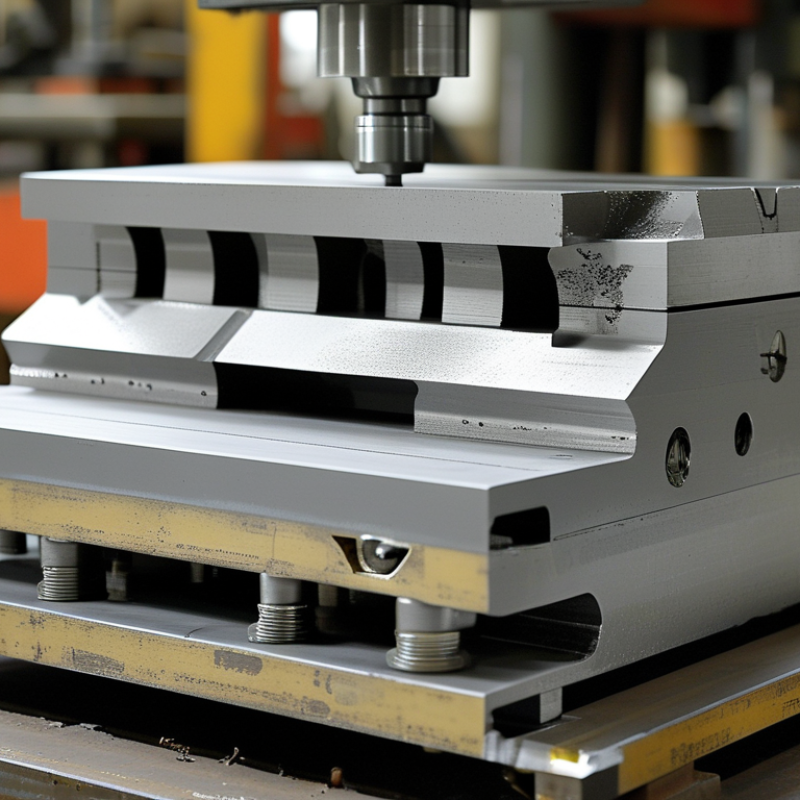
Stamping presses cut or shape parts quickly with dedicated dies.

Forging equipment compresses heated or cold metal, improving strength through controlled deformation.

Match the machine to material grade, thickness, part geometry, and production volume. A 2-millimeter steel enclosure may suit a press brake. A long tank shell usually needs plate rolls and accurate pre-bending. High-volume brackets can justify stamping, while small batches may not recover die costs. Check working force, daylight, stroke, tooling range, and control accuracy. These details matter more than impressive motor power.

A reliable evaluation includes trial forming with your actual material. Measure springback, edge distortion, surface marks, and final dimensions. Ask about maintenance records and operator training requirements. Verify guarding, emergency stops, and documented operating procedures before installation.

A common shop-floor mistake is choosing oversized equipment. It can increase energy use and setup time. Bigger is not automatically better. The first estimate may need revision.

Evaluate Material Compatibility and Machine Capacity

How to Choose the Best Metal Forming Machine?

Evaluate Material Compatibility and Machine Capacity

Material compatibility should guide every machine decision. Steel, aluminum, copper, and stainless alloys behave differently during forming. Their yield strength, ductility, thickness, and surface condition affect tool pressure and springback. A machine suitable for thin aluminum may struggle with high-strength steel. That mistake can cause cracked edges, uneven bends, or premature die wear.

Check the material specification sheet before requesting equipment data. Record the alloy grade, thickness range, coil or sheet width, and expected production speed. Then compare these details with the machine’s rated force, stroke, bed size, and working envelope. Capacity is not only a tonnage figure. The frame must handle repeated loads without excessive deflection. The tooling must also fit safely within the available space.

A practical trial is valuable. Form a representative sample using the hardest and thickest planned material. Measure bend angles, surface marks, and dimensional consistency after cooling. I have seen acceptable results on a single test piece fail during longer production runs. Heat buildup, tool alignment, and operator adjustments were overlooked. A calculation may look convincing. Real material can disagree. Leave a sensible capacity margin, but avoid buying excessive power without evidence. It increases energy use and may reduce control at lower loads. Review maintenance access, guarding, calibration records, and operator training before approval. Reliable choices come from verified samples, documented measurements, and honest limits.

Assess Precision, Automation, Safety, and Maintenance

When choosing a metal forming machine, measure precision beyond the advertised tolerance. Check repeatability, die alignment, stroke stability, and calibration records. A machine holding ±0.05 mm may still produce defects if material thickness varies. Request sample parts from your own steel grade. Real evidence matters more than polished specifications.

Automation should reduce variation, not simply increase speed. The International Federation of Robotics reported 541,302 industrial robots were installed worldwide in 2023. For forming operations, useful automation includes automatic gauging, recipe control, force monitoring, and traceable production data. Confirm whether these systems communicate with existing equipment. A faster press is not automatically a better press. Operators must still understand manual recovery procedures.

Safety and maintenance deserve equal attention. Apply ISO 12100 risk assessment and ISO 13849 principles to guards, interlocks, emergency stops, and control reliability. OSHA also requires effective machine guarding where workers face hazards. Maintenance access should be clear, with lubrication points, spare-part guidance, and fault histories easy to reach. The McKinsey Global Institute estimates predictive maintenance can reduce downtime by 30–50% and maintenance costs by 20–30%. However, those figures are not guaranteed. Poor sensors create false alarms. Schedule a trial, inspect five consecutive batches, and review maintenance records with technicians before purchasing.

How to Choose the Best Metal Forming Machine?

Compare machines by reviewing positioning and repeatability test results, automation functions, documented risk controls, and maintenance requirements. The normalized scores below represent a practical procurement benchmark based on measurable evidence such as inspection reports, cycle-time data, safety assessments, spare-parts access, and mean time to repair.

Calculate Total Cost, Efficiency, and Long-Term Value

Choosing a metal forming machine requires more than comparing purchase prices. Build a five-year total-cost model covering tooling, energy, labor, maintenance, training, downtime, and resale value. My own cost sheets often miss small items, especially setup scrap and spare sensors. That mistake can distort the investment decision.

Measure actual cycle time on representative parts, not showroom samples. Record strokes per minute, changeover minutes, rejection rates, and operator hours.

The International Energy Agency reports that electric motor systems consume about 53% of global electricity. Efficient drives and standby controls can therefore reduce operating costs. Compressed-air systems deserve attention too.

The U.S. Department of Energy states that leaks can waste 20% to 30% of compressor output. Calculate annual energy costs using your local tariff and production schedule.

A spreadsheet can still lie. Review assumptions with operators, maintenance staff, and an independent engineer before approval.

Tips: Request a monitored trial with your material and tooling. Ask for maintenance intervals, service response times, and spare-part prices. Compare cost per acceptable part, not cost per stroke.

Add a downtime scenario. For example, eight lost hours during a demanding production week may exceed a year of expected energy savings.

Check whether the control system exports production and fault data. Without clean data, efficiency claims remain difficult to verify.

Let's Build Together

Contact Us: Call 435-563-3503

-OR-  Fill in the form below and we will call you back.

Copyright © 2025CNC Fabrication. All Rights Reserved.