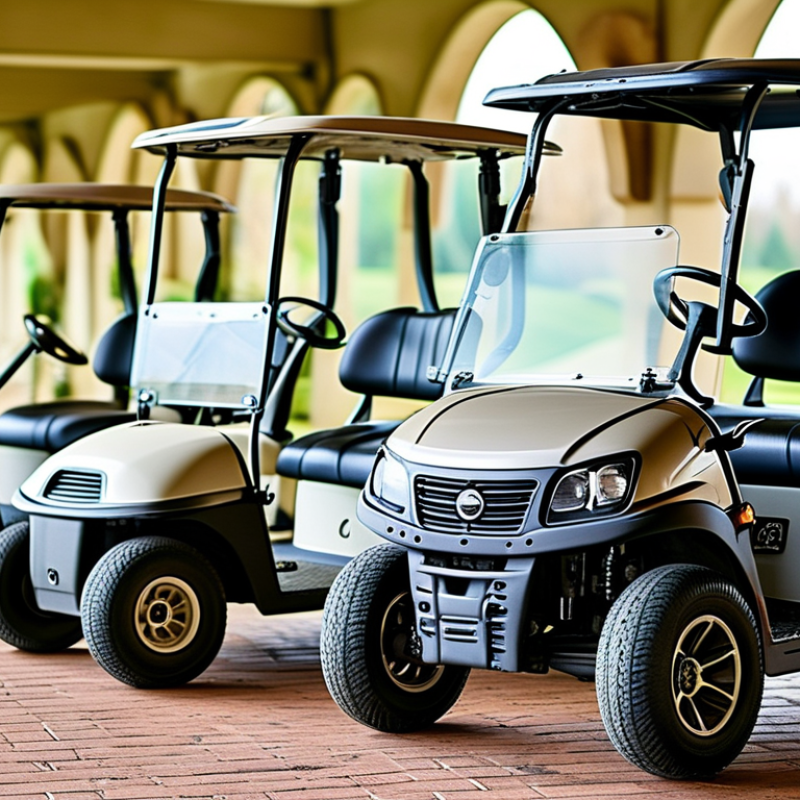
How to Choose the Right Golf Cart Battery for Your Needs?
Choosing the right Golf Cart Battery can greatly affect your golfing experience. A high-quality battery ensures longer drives and reliable performance. Many players underestimate how crucial this choice is.
Different batteries suit different needs. Consider factors like usage frequency, distance, and terrain. A well-chosen Golf Cart Battery can enhance efficiency. However, some may find the selection process overwhelming. It's common to overlook battery types or specifications.
Understanding your golf cart's requirements is key. A compatible battery will save you time and money. Take time to research brands and read reviews. Investing in a good battery is essential for a smooth ride. Don't rush your decision; it impacts your entire golfing experience.
Understanding the Different Types of Golf Cart Batteries
When selecting a golf cart battery, understanding the different types is key. There are mainly three options: lead-acid, gel, and lithium-ion. Lead-acid batteries are the most common. They’re affordable but require regular maintenance. Gel batteries offer better safety and reduced corrosion, but are pricier. Lithium-ion batteries boast a longer lifespan and faster charging time, although they're the most expensive.
Before making a choice, consider your usage. If you play frequently, invest in a reliable battery. Ensure the capacity matches your distance needs. For occasional use, a basic lead-acid option might suffice.
Tips: Always check the battery weight and dimensions. This affects the cart’s performance. Regularly inspect the terminals for corrosion. Keeping them clean ensures efficiency. Lastly, think about how much maintenance you are willing to do. Maintenance-free options can save time but may cost more upfront.
Evaluating Your Golf Cart's Power Requirements
When choosing a golf cart battery, understanding your power requirements is essential. The size and type of your golf cart, along with its intended use, play significant roles in battery selection. For instance, a small, electric cart used just for short trips will have different needs than a larger, high-performance model designed for longer distances.
Consider the voltage required. Most golf carts operate on a 36V or 48V system. The higher the voltage, the more powerful the battery. Capacity is another crucial factor. This is typically measured in amp-hours (Ah). A higher Ah rating means a longer runtime before needing a charge. Think about how often you'll use your cart. If it's frequent, investing in a high-quality, higher-capacity battery makes sense.
Also, reflect on the environment where you use your golf cart. Will you be driving on hilly terrain or flat ground? Hilly areas demand more power, requiring a battery that can provide sustained energy. Remember, the ideal battery might not always be the most expensive one. Sometimes, budget-friendly options might work just as well for your needs. Trust your instincts and gather insights from others who share similar experiences.
Factors to Consider When Choosing a Golf Cart Battery
Choosing the right golf cart battery can be challenging. The battery you select directly impacts your cart's performance and lifespan. Start by considering the type of battery. Lead-acid batteries are common due to their affordability. However, they require regular maintenance. Lithium batteries, on the other hand, have a longer life and require less upkeep, but they come at a higher cost.
Next, think about the voltage and capacity. Most golf carts use 6V, 8V, or 12V batteries. A higher capacity enables longer runs but may add weight. Balance your needs while keeping weight in mind. Battery weight affects the overall performance of your cart. Remember, an undersized battery can lead you to frustrating moments on the course.
Lastly, evaluate how often you plan to use your cart. If you frequently golf, investing in a high-quality battery is worthwhile. Regular use justifies a more durable option. However, if you occasionally use your cart, a more economical choice may suffice. Each decision should align with your specific golfing habits. Balancing cost, performance, and maintenance needs is crucial for a satisfying experience.
Battery Maintenance Tips for Longevity and Performance
Maintaining your golf cart battery is crucial for longevity and performance. Regular maintenance can enhance your battery's lifespan by up to 30%. According to industry reports, most lead-acid batteries last 4 to 6 years with proper care. However, neglect can significantly reduce this time.
Check battery water levels monthly. Low water can lead to sulfation and capacity loss. Using distilled water is recommended to avoid mineral buildup. Clean the terminals regularly, too. Corrosion can impair performance. A solution of baking soda and water can effectively clean terminals.
Charging practices matter. A consistent charging routine keeps the battery healthy. Overcharging can lead to overheating and damage. Aim for a 50-80% depth of discharge to optimize battery health. Additionally, store your battery fully charged, especially in winter. Cold temperatures can shorten battery life significantly. Regular monitoring and adjustments to your maintenance can prevent unexpected failures.
How to Choose the Right Golf Cart Battery for Your Needs?
| Battery Type | Capacity (Ah) | Voltage (V) | Weight (lbs) | Lifespan (Cycles) | Maintenance |
| Lead Acid | 105 | 6 | 65 | 300-500 | Regular Watering |
| Lithium Ion | 100 | 12 | 30 | 2000-5000 | Minimal Maintenance |
| AGM | 110 | 12 | 40 | 600-800 | Sealed, No Watering |
| Gel Cell | 90 | 12 | 55 | 500-1000 | Sensitive to Overcharging |
Environmental Considerations in Golf Cart Battery Selection
When selecting a golf cart battery, environmental factors are crucial. Many golf courses aim to reduce their carbon footprint. According to recent studies, nearly 60% of golf courses are prioritizing sustainable practices in their operations. One key area is the choice of battery technology. Traditional lead-acid batteries, while common, can be harmful to the environment if not disposed of properly. In contrast, lithium-ion batteries present a more eco-friendly solution. They last longer and are recyclable, reducing waste.
Tips: Choose
lithium-ion batteries for efficiency. They generally outperform lead-acid varieties in longevity and performance. Always check local recycling programs. Make sure your old batteries are disposed of correctly to minimize environmental harm.
Another consideration is
energy efficiency. Research indicates that lithium-ion batteries can improve energy usage by
up to 25%. This reduction not only conserves resources but also leads to lower operational costs. Golf cart users must be mindful of purchasing batteries that align with their eco-conscious values. Selecting sustainable options helps in supporting a broader movement towards
greener golf courses.
Tips: Educate yourself about battery options. Know the environmental impacts. Look for batteries with good recycling programs. Each choice counts in preserving the environment for future generations.