What Is the Best Steel CNC Machine from China?

Choosing the best steel CNC machine from China requires more than comparing prices, photographs, or impressive specifications. Steel is unforgiving. A weak frame can vibrate during cutting, leaving visible chatter on a 40-millimeter plate. Poor thermal control can also change dimensions during long production runs. The right machine must match your material grade, workpiece size, cutting depth, tolerance, and expected workload.

Peter Zelinski, a respected machine-tool journalist and manufacturing expert, offers a useful purchasing principle: “The best machine is the one that reliably makes your part at a profitable cost.” That test matters when evaluating a steel CNC machine from China. Buyers should examine the welded or cast structure, spindle torque, guideway design, drive-system accuracy, and controller stability. Ask for cutting trials using your actual steel grade. A polished demonstration is not enough.

Look closely at the details.

A serious supplier should provide test data, maintenance instructions, electrical documentation, and clear warranty terms. Service response also deserves attention. A technically strong machine can become expensive if replacement parts arrive slowly or remote support is unclear. Factory experience matters, but it does not guarantee perfection. Some suppliers overstate accuracy, while some buyers underestimate installation requirements.

This guide compares practical machine types, key specifications, factory verification methods, and ownership risks. It also considers an uncomfortable point: the cheapest steel CNC machine may cost more after repeated downtime, tool damage, and rejected parts. The best choice is not automatically the largest or most advanced model. It is the machine that performs consistently in your workshop.
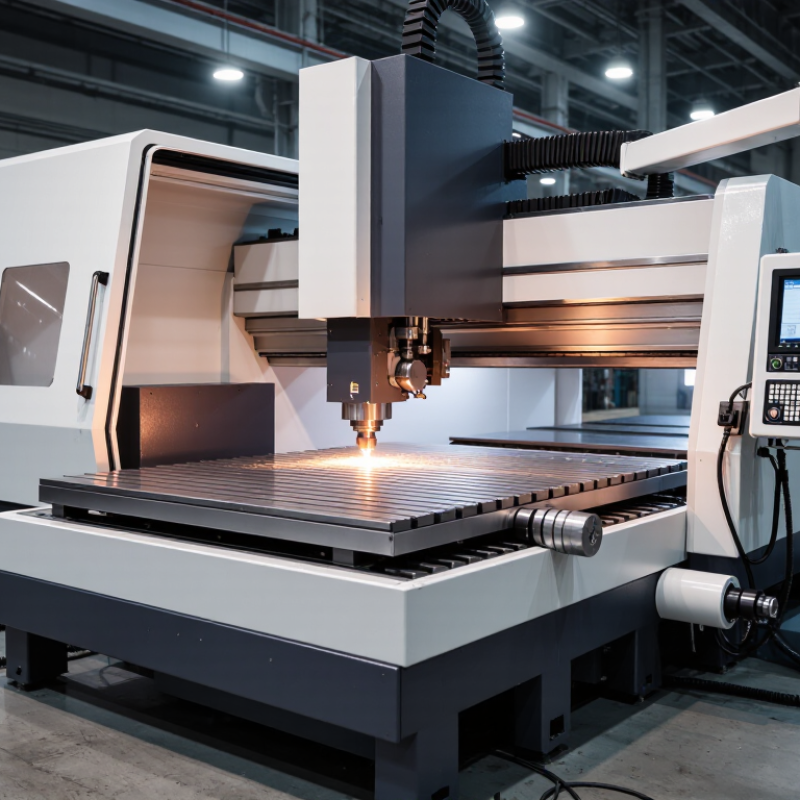
What Is the Best Steel CNC Machine from China?

What Defines a High-Quality Steel CNC Machine from China?

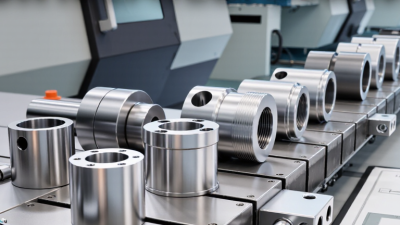
A high-quality steel CNC machine from China begins with rigidity, not a glossy cabinet. Steel cutting creates heavy loads, vibration, and heat. A reinforced cast-iron or welded frame should resist deformation during long production cycles.

The World Steel Association reported that China produced about 1,005 million tonnes of crude steel in 2024, exceeding half of global output.

That industrial scale supports strong experience in steel-processing equipment, but volume alone proves nothing.

Look closely at spindle torque, guideway protection, and chip evacuation. A machine should demonstrate cutting tests using the buyer’s actual steel grade, tooling, and thickness. Ask for repeatability results under ISO 230-2 testing conditions, not only brochure accuracy.

Thermal compensation also matters. A warm spindle can shift a finished hole by several microns. The International Federation of Robotics recorded 276,288 industrial robot installations in China during 2023, showing a mature automation environment around machine production.

Still, integration quality varies. I would inspect calibration records, ball-screw backlash, electrical documentation, and service response times. Small details matter. A perfect sample cut may hide weak after-sales support.

Acceptance testing should include continuous operation, emergency recovery, and dimensional checks after several hours. That extra scrutiny feels slower, yet it often reveals the machine’s real quality.

Which CNC Machine Types Are Best for Different Steel Applications?

No single steel CNC machine is best for every application. The right choice depends on part shape, steel grade, tolerance, and production volume.

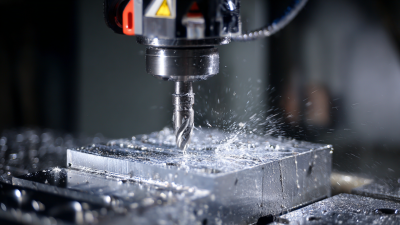
For plates, brackets, and die components, a rigid vertical machining center is often the practical choice. Its enclosed work area supports stable milling, drilling, and tapping. Look for high spindle torque, strong linear guides, and effective flood coolant. Steel creates heat quickly. Poor chip removal can damage tools and roughen the surface.

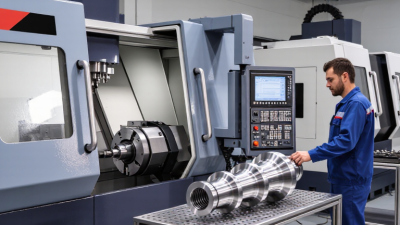
A CNC turning center suits shafts, pins, flanges, and threaded parts. A driven-tool turret adds drilling and milling operations without repeated setup. For large steel frames or heavy plates, a gantry machining center offers better workholding space and load capacity. Five-axis equipment helps with angled surfaces and complex molds, but it costs more and demands stronger programming skills. It is not automatically better.

From practical machining experience, machine weight matters more than impressive speed claims. A heavy cast structure usually reduces vibration during deep cuts. Carbide tools, through-spindle coolant, and automatic tool measurement also improve consistency. When sourcing from China, request cutting samples in the target steel grade. Review spindle power curves, positional accuracy reports, electrical standards, and service response times. One overlooked detail can become a costly delay. I have seen buyers focus on price, then discover that the worktable was too small. Test the complete process, not only the machine.

How to Evaluate Cutting Power, Precision, and Machine Durability

What Is the Best Steel CNC Machine from China?

Choosing a steel CNC machine requires more than reading its spindle-power rating. Cutting power depends on torque, duty cycle, transmission efficiency, and tool condition. A machine may advertise high kilowatts but struggle with thick plate and slow feed rates. Request a controlled test cut using your actual steel grade, thickness, cutter, and target speed. Inspect the edge for burning, taper, burrs, and vibration marks. The chips should look consistent.

Precision should be measured, not assumed. Ask for repeatability results from several positions across the working table. Check ball-screw backlash, linear-guide movement, gantry squareness, and spindle runout. A dial indicator can reveal problems that a polished brochure will not. Thermal drift also matters. Run the machine for several hours, then compare dimensions. Small errors become expensive during batch production.

Durability begins with the frame. Heavy welded steel, stress relief, protected guides, and sealed electrical cabinets support long-term stability. Review maintenance records, spare-part availability, safety documentation, and remote support procedures. I once focused too heavily on cutting speed and overlooked access to lubrication points. That decision created avoidable downtime. Machine quality is not only hardware; it includes setup training, inspection discipline, and honest technical communication. Some suppliers may resist demanding tests. That hesitation deserves careful reflection.

What Features and Specifications Should Buyers Compare?

When comparing a steel CNC machine from China, treat the specification sheet as starting evidence, not proof. The 2024 World Machine Tool Survey valued global consumption at approximately 84 billion dollars in 2023. Buyers should compare work envelope, spindle power, torque, table load, and cutting capacity. For steel, rigid castings and a short tool overhang matter more than impressive speed figures. Peak power misleads. Check continuous power at practical cutting speeds.

Accuracy requires measured evidence. Request ISO 230-2 positioning and repeatability test results, preferably from a recently assembled machine. Compare thermal drift, backlash, vibration, and performance after several hours of cutting.

A sample test using the intended steel grade can reveal chatter, poor chip evacuation, or unstable surface finish. Measure it. Also inspect coolant filtration, chip removal, tool-changing time, and access to the work area.

Automation readiness deserves attention. The International Federation of Robotics reported 541,302 industrial robot installations worldwide in 2023, with more than 4.28 million robots operating globally. This supports checking communication interfaces, probing options, safety circuits, and future loading automation. Service response, spare-part availability, training, and electrical compatibility should sit beside price comparisons. A cheaper machine may become expensive when downtime begins. My own comparison framework is not perfect; published accuracy can still differ from shop-floor results. Ask for independent inspection records, not only factory videos.

How to Choose a Reliable Chinese CNC Machine Manufacturer

What Is the Best Steel CNC Machine from China?

Choosing a reliable Chinese CNC machine manufacturer requires more than comparing prices. Check whether the factory designs, machines, assembles, and tests its equipment internally. Ask for material certificates, inspection records, and recent calibration reports. Numbers matter. ISO 230-2 testing can verify positioning accuracy and repeatability under defined conditions. A supplier should provide results from the actual machine, not a standard template. ISO’s certification survey also shows the global scale of ISO 9001 adoption, but certification alone cannot prove stable machining quality.

Visit the production site if possible. Look for clean assembly areas, protected guideways, labeled electrical cabinets, and finished steel samples. Request a live cutting test using your material, tooling, tolerance, and cycle-time requirements. The International Federation of Robotics reported 276,288 industrial robots installed in China during 2023, representing over half of global installations. This suggests strong automation capability, but it does not guarantee careful CNC assembly.

Check after-sales support before signing. Confirm spare-parts availability, remote diagnostics, technician response times, and training arrangements. Ask for references from companies machining similar steel grades. A reliable manufacturer should explain failure risks honestly. No supplier is flawless. Even a careful buyer can miss hidden subcontracting, weak software support, or inconsistent spindle testing. Use a written acceptance protocol, including dimensional inspection, thermal stability, surface finish, and a documented load test.

Let's Build Together

Contact Us: Call 435-563-3503

-OR-  Fill in the form below and we will call you back.

Copyright © 2025CNC Fabrication. All Rights Reserved.