What is the Best Bench Top Milling Machine for Home Use?
Choosing the best Bench Top Milling Machine for home use can be overwhelming. With so many options available, it’s easy to get lost. A bench top milling machine is a valuable tool for hobbyists and professionals alike. It offers precision and versatility in small spaces.
When selecting a machine, consider your needs. Do you need high speed, or is durability more important? Look for features like adjustable speeds and easy-to-read dials. These details can make a difference in your projects. Be aware, however, that not every model will meet your expectations.
Finding the perfect bench top milling machine often requires trial and error. Some machines may have limitations that surprise you. It's important to reflect on your choices. An informed decision will help you maximize your investment and enhance your work. Taking the time to research and evaluate various models will lead to better outcomes in your milling endeavors.
Understanding the Basics of Bench Top Milling Machines
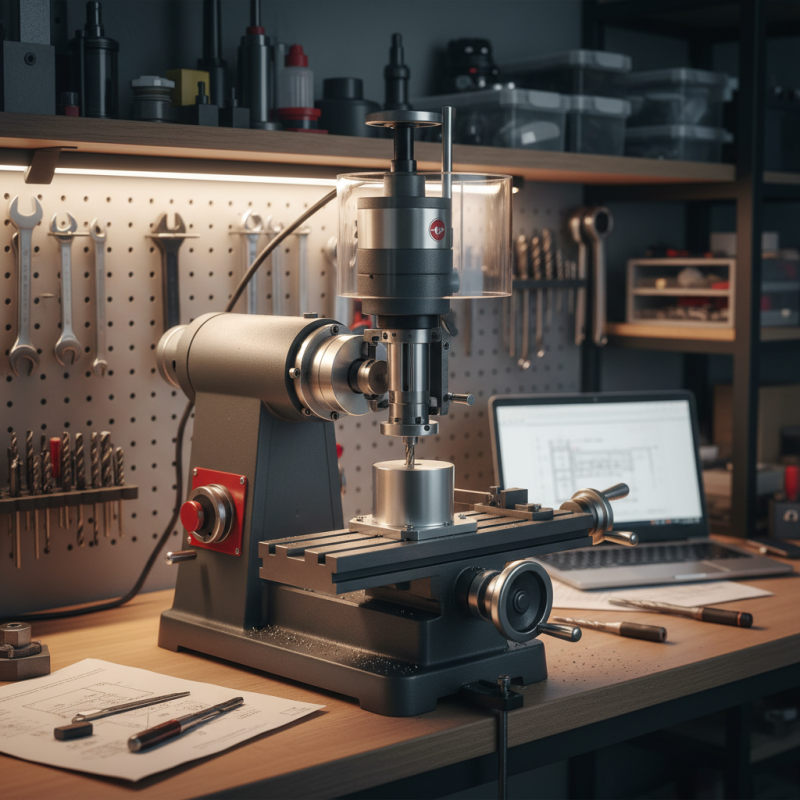
Bench top milling machines are essential tools for hobbyists and DIY enthusiasts. They provide precision and versatility for a range of projects. These machines come in various sizes and styles, catering to different needs. When choosing a model, consider the space available, as they can take up a significant area. An adequate setup is crucial for comfort and efficiency.
Understanding the basics is essential. A milling machine uses rotary cutters to remove material from a workpiece. This process can create various shapes and features. Users must learn the differences between vertical and horizontal machines. Each type has its strengths. Vertical mills are more common, while horizontal ones can handle more extensive pieces.
Safety is a critical concern. Users should always wear protective gear and be aware of their surroundings. Beginners may experience a learning curve. Mistakes are part of the process, and adjusting settings can be challenging. It’s important to practice and understand your machine’s capabilities. Proper training can mitigate risks and enhance skills.
Key Features to Look for in a Milling Machine for Home Use
When choosing a bench top milling machine for home use, several key features are crucial. First, consider the machine's size and weight. It needs to fit in your workspace while being stable during operation. A compact design makes it easier to move around, but don’t compromise on stability. The machine's bed size is also important; it affects the size of the projects you can undertake. A larger bed allows for bigger workpieces, but it may take up more room.
Another key feature is the power and speed options. Look for machines with variable speed settings. This flexibility lets you handle materials ranging from soft plastics to hard metals. However, ensure that the motor's power is sufficient for your needs. An underpowered machine can lead to frustration. Furthermore, consider the spindle type and compatibility with various tools. A machine that supports multiple tool types increases versatility but may also increase complexity. As you reflect on these features, think about your specific crafting needs and limitations.
Choosing the right milling machine can greatly enhance your woodworking or metalworking projects.
Top Bench Top Milling Machine Models for Hobbyists
Choosing the best bench top milling machine for hobbyists involves some important considerations. Many models cater to different skill levels and project needs. According to recent industry reports, around 40% of hobbyists prefer machines that are compact yet powerful. These machines should also have variable speed settings, allowing better control for different materials.
In a survey of user experiences, approximately 70% of users highlighted that ease of use is critical. It ensures more time spent on projects rather than dealing with setup challenges. Features like digital readouts and sturdy construction are often mentioned as essential. Yet, some users report that maintaining precision over time can be an ongoing struggle.
Noise, often overlooked, is another factor. Many hobbyists find that quieter machines allow for more enjoyable working sessions. However, trade-offs exist in power and performance. Some users face difficulties in finding a balance between a machine that is easy to operate and one that meets their technical needs. The quest for the ideal model is a journey filled with trials and reflection on personal requirements.
Comparative Analysis of Price vs. Performance in Milling Machines
When choosing a bench top milling machine for home use, price and performance are key factors. A good machine should balance affordability with efficiency. Many models claim to offer the best features, but not all live up to the hype. It's essential to analyze specifications and customer reviews. Look for machines that provide versatile functions and are easy to operate.
Tips: Always check for warranty details. A longer warranty can indicate better quality. Consider machines that offer good after-sales support.
Another detail to weigh is the machine's materials. Cheaper models might use plastics that degrade over time. Stronger metals typically promise durability. Check the build quality before purchasing. Some users find themselves needing to buy additional parts or upgrades soon after their purchase.
Tips: Research the market before buying. Be wary of models that are heavily discounted; they may have hidden flaws. Investing a bit more could result in a machine that lasts longer and performs better, ultimately saving money.
Maintenance Tips for Longevity of Your Bench Top Milling Machine
Maintaining a bench top milling machine is crucial for its longevity. Regular cleaning is essential. Dust and debris can accumulate, affecting performance. Ensure you wipe down surfaces after each use. This simple action prevents buildup that could lead to costly repairs.
Lubrication is another key aspect of maintenance. Using the right lubricant reduces wear on moving parts. Experts recommend a light machine oil for regular parts, while specific greases work well for bearings. Regularly check the oil levels. Neglecting this can lead to increased friction and machine failure.
Calibration is often overlooked. Machines can drift out of alignment over time. Regular checks ensure precision in your milling tasks. This isn't a one-and-done job. Frequent reassessment keeps your work accurate and efficient. Ignoring these details may lead to significant performance issues. A well-maintained machine not only operates better but also lasts longer.
Article Source:
Let's Build Together
Contact Us: Call 435-563-3503
-OR- Fill in the form below and we will call you back.