Top 10 Benefits of PMSM Motor for EV Applications?
The automotive industry is undergoing a significant transformation. The shift towards electric vehicles (EVs) is accelerating rapidly. According to the International Energy Agency, global EV sales are expected to surpass 25 million units by 2030. This shift necessitates efficient and reliable components to meet growing demands. The use of PMSM motors for EV applications has gained traction due to their numerous advantages.
PMSM motors offer high efficiency and reliability, making them ideal for electric vehicles. Reports suggest that these motors can achieve efficiencies above 90%, significantly reducing energy consumption. Additionally, they provide powerful torque and precise control, essential for modern EV designs. However, challenges such as the cost of production and securing consistent supply chains for materials must be addressed. OEMs must also consider their electrical systems' compatibility with PMSM motors for optimal performance.
As the market evolves, understanding PMSM motors' key benefits will be crucial for manufacturers. The potential for improved vehicle performance and energy savings positions PMSM motors at the forefront of EV technology. Nonetheless, stakeholders must navigate the intricacies involved in integrating these innovative solutions.
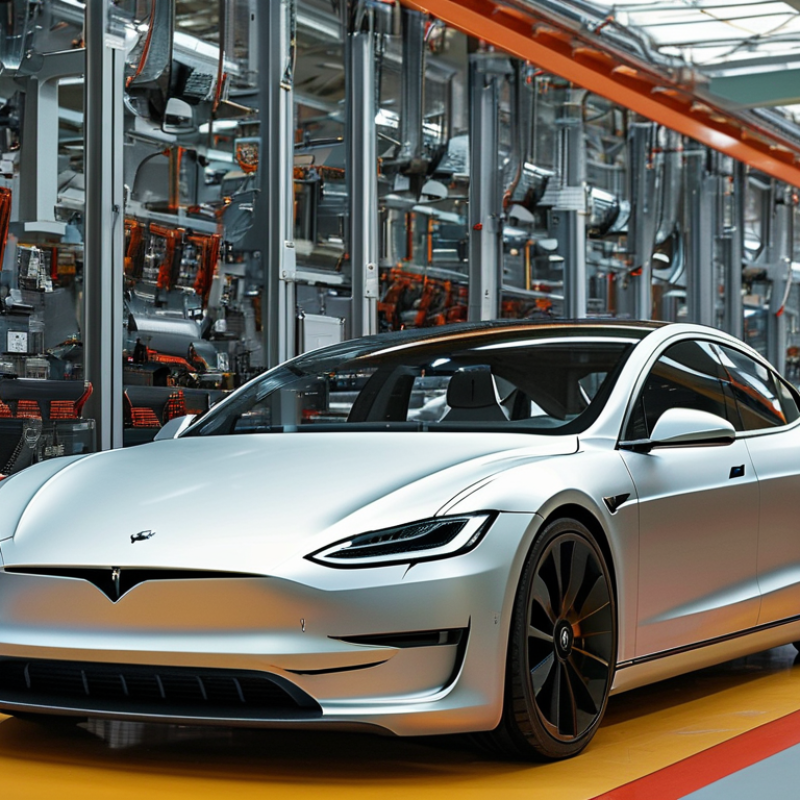
Benefits of High Efficiency in PMSM Motors for EVs
Permanent magnet synchronous motors (PMSMs) are becoming crucial for electric vehicle (EV) applications. Their high efficiency significantly reduces energy consumption. Reports suggest that PMSMs can achieve efficiency levels exceeding 95%. This efficiency translates directly to longer driving ranges, a critical selling point for EV manufacturers.
The lightweight design of PMSMs also contributes to overall vehicle performance. They can enhance the power-to-weight ratio, which is vital in the automotive sector. By using fewer materials without compromising performance, manufacturers reduce production costs and increase sustainability. With an expected 30% increase in global EV production by 2030, the demand for efficient motors is set to rise.
Despite these benefits, challenges remain. The production of permanent magnets often relies on rare earth elements, which can be environmentally damaging. Moreover, manufacturers face hurdles in scaling up production of PMSMs to meet growing demands. Addressing these concerns is essential for harnessing the full potential of PMSMs in the EV market.
Impact of Reduced Noise Levels on EV User Experience with PMSM Motors
PMSM (Permanent Magnet Synchronous Motors) have gained significant attention in the electric vehicle (EV) sector. One notable advantage is the reduction in noise levels during operation. According to a study by the International Journal of Electrical Engineering, EVs using PMSM technology can achieve noise reductions of up to 15 dB compared to traditional induction motors. This decrease enhances the driving experience for users, making rides quieter and more enjoyable.
Reducing noise levels in EVs impacts user experience positively. A quieter vehicle reduces stress for drivers and fosters a more relaxed atmosphere. Recent surveys indicate that 82% of EV users prefer lower noise levels during their commute. Furthermore, lower noise emissions contribute to urban environments. Cities can become more pleasant as noise pollution declines, improving overall quality of life for residents.
However, achieving perfect silence is still a challenge. Some experts note that while PMSM motors can significantly lower noise, they may introduce other sounds during operation, such as mechanical vibrations. This complexity requires ongoing refinements in motor design and integration. Continuous advancements in technology will help address these shortcomings, ensuring a better experience in the future.
Comparison of Power Density Between PMSM Motors and Traditional Motors
Power density plays a crucial role in the performance of electric vehicles (EVs). Permanent Magnet Synchronous Motors (PMSMs) offer significant advantages in this area over traditional motor types. With a higher power-to-weight ratio, PMSMs enable EVs to achieve better acceleration and efficiency. This is essential for manufacturers aiming for superior vehicle performance.
PMSMs often achieve power densities exceeding 3 kW/kg. In contrast, traditional motors typically range around 1-2 kW/kg. This difference substantially impacts vehicle design. A lighter motor can lead to a lighter overall vehicle, contributing to better range and agility.
Tips: When selecting a motor for an EV, consider the long-term benefits. High power density can improve performance but may increase costs. It's crucial to weigh these factors.
Another consideration is thermal management. Higher power density can generate more heat. Effective cooling mechanisms must be in place to avoid inefficiencies. Ignoring this can lead to reduced performance and even motor failure.
In summary, understanding the nuances of PMSMs versus traditional motors aids in making informed decisions. This could ultimately lead to advancements in EV technology and market competitiveness.
Benefits of Regenerative Braking Enabled by PMSM Motors in EVs
PMSM (Permanent Magnet Synchronous Motors) play a significant role in enhancing electric vehicle (EV) performance. One of their standout features is regenerative braking. This system recovers energy during deceleration, converting kinetic energy back into electrical energy. It directly contributes to improved efficiency and reduced energy loss.
Regenerative braking can also enhance the driving experience. Drivers feel a smoother transition when decelerating. However, this technology isn't flawless. Sometimes, the energy recovery might not be as efficient in certain conditions, like during very rapid stops. Additionally, the complexity of the system may require more maintenance compared to traditional braking methods.
Incorporating PMSM motors allows manufacturers to push the boundaries of energy recovery. These motors can achieve high torque at low speeds, making them suitable for city driving. Yet, it's crucial to understand that the full potential of regenerative braking can vary by vehicle model and driving habits. Continuous refinement in technology and design is essential to maximize its benefits, ensuring a more sustainable and enjoyable driving experience.
Top 10 Benefits of PMSM Motor for EV Applications
| Benefit | Description |
| High Efficiency | PMSM motors convert electrical energy to mechanical energy more effectively, leading to reduced energy losses. |
| Compact Design | These motors have a smaller size and weight compared to other motor types, enhancing vehicle design flexibility. |
| Regenerative Braking | PMSM motors allow for recovering kinetic energy during braking, improving overall efficiency and extending battery life. |
| Low Noise Operation | They operate quietly, providing a comfortable driving experience for passengers. |
| High Torque at Low Speed | PMSMs deliver high torque even at low speeds, which is advantageous for starting and acceleration in EVs. |
| Durability | They have a longer lifespan due to fewer moving parts and lower wear, reducing maintenance needs. |
| Wide Operating Range | PMSM motors can efficiently operate across a wide range of speeds, making them versatile for various driving conditions. |
| Excellent Control | They offer precise control over speed and torque, enhancing driving dynamics and performance. |
| Eco-Friendly | PMSMs contribute to reducing greenhouse gas emissions, aligning with global sustainability goals. |
Analysis of Thermal Management in PMSM Motors for Enhanced Performance
Thermal management is vital for the performance of Permanent Magnet Synchronous Motors (PMSMs) in electric vehicles (EVs). Proper thermal regulation impacts efficiency and longevity. Studies show that up to 30% of performance loss in motors can be attributed to inadequate cooling systems. Effective heat dissipation methods can enhance motor output and reliability under various loads.
To increase the efficiency of PMSM motors, active cooling systems are being increasingly adopted. These systems use liquid cooling or forced air methods to maintain optimal temperatures. By employing advanced thermal management techniques, manufacturers can boost the power density of electric motors by around 20%. Enhanced temperature control allows the motor to operate at higher speeds and loads without overheating.
**Tip:** Regularly monitor the operating temperature of your EV’s motor. Overheating may lead to decreased efficiency and potential damage.
Another strategy is implementing thermal interface materials (TIMs) to improve heat transfer. Studies indicate that using superior TIMs can decrease thermal resistance by nearly 50%. However, selecting the right materials involves trade-offs. Not all solutions work effectively under all conditions, highlighting the need for careful evaluation.
**Tip:** Consider the application environment when selecting thermal management solutions. What works well in one scenario may not be suitable in another.
Top 10 Benefits of PMSM Motor for EV Applications