2026 Best CNC Milling Parts Manufacturers Worldwide
Choosing the right CNC milling parts manufacturer can shape a product’s cost, strength, and delivery schedule. In 2026, global buyers face a crowded market. Many suppliers advertise advanced machines, tight tolerances, and rapid production. Those claims require careful verification.
This guide examines manufacturers through practical evidence, not polished websites alone. It considers machining experience, material knowledge, equipment capacity, and inspection systems. A reliable supplier should explain how it controls aluminum, stainless steel, titanium, engineering plastics, and other materials. It should also provide clear tolerance data, surface-finish options, and realistic production timelines. A sample component with a 0.02 mm tolerance can reveal more than a broad marketing statement. So can a detailed inspection report.
Reliability matters beyond the first quotation. Strong manufacturers communicate design-for-manufacturing concerns before cutting metal. They clarify drawings, thread specifications, datum references, packaging, and revision control. Their quality teams may use coordinate measuring machines, calibrated gauges, and documented process checks. Relevant certifications can support trust, but certificates alone are not enough. Actual communication and repeatable results matter more.
The best choice depends on the application. Aerospace brackets, medical housings, robotics frames, and industrial fixtures require different strengths. Price remains important, yet the cheapest offer may create rework, delays, or inconsistent fits. That lesson is easy to overlook. This overview compares leading cnc milling parts manufacturers worldwide using technical capability, quality evidence, customer support, scalability, and value. Some information may change as factories upgrade equipment or markets shift. Readers should confirm current specifications directly before placing an order.
CNC Milling Parts Manufacturing: Definition, Processes, and Applications
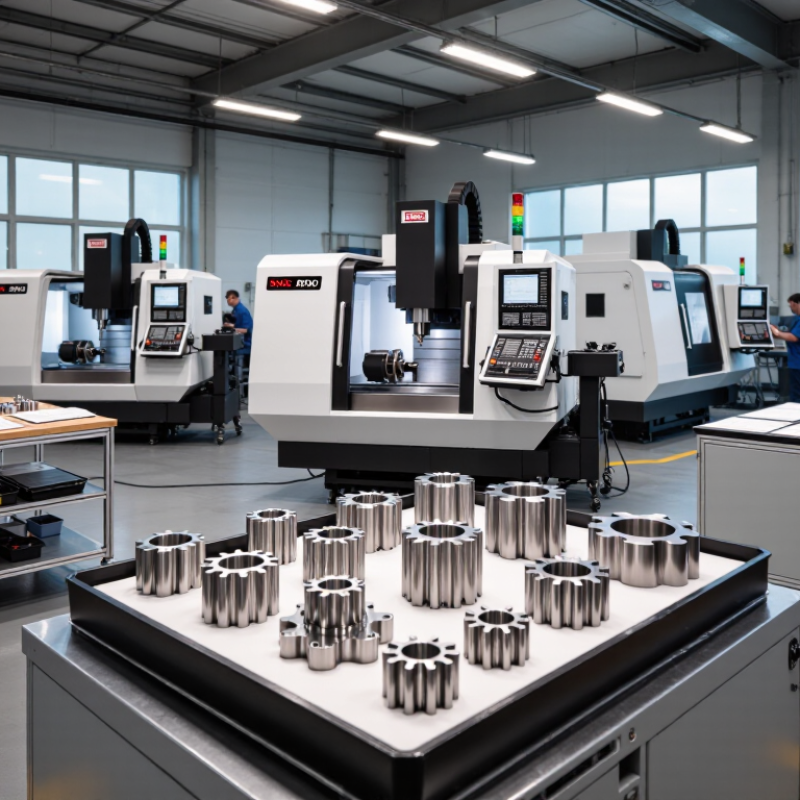
CNC milling parts are components shaped by computer-controlled cutting tools. A rotating cutter removes material from a fixed workpiece, following digital instructions from a CAD model. This method produces brackets, housings, gears, fixtures, and medical equipment components with repeatable dimensions. Common materials include aluminum, stainless steel, brass, engineering plastics, and hardened tool steel.
The process begins with design review, material selection, and toolpath planning. A machinist then secures the workpiece and sets the machine’s coordinates. Three-axis equipment handles many flat and prismatic parts, while five-axis machines reach angled surfaces with fewer setups. Coolant controls heat, and sharp tooling helps prevent burrs. After machining, operators may perform deburring, anodizing, heat treatment, or surface grinding.
Quality depends on more than machine accuracy. Inspectors compare critical dimensions with calibrated gauges, optical equipment, or coordinate measuring machines. A tolerance of 0.02 millimeters can affect assembly, especially around bearing seats and threaded holes. Even experienced manufacturers can miss a weak datum or an unrealistic wall thickness. Design feedback matters. Small changes to corner radii, hole depth, or fixture access may reduce cost and improve reliability. Production records, material certificates, and inspection reports also help buyers assess dependable CNC milling parts manufacturers worldwide. No process is perfect. Careful communication remains essential.
Key Criteria for Evaluating Global CNC Milling Parts Manufacturers
Choosing a global CNC milling parts manufacturer requires more than comparing hourly rates. Start with verified experience in similar materials, geometries, and production volumes. A supplier making aluminum brackets may not handle hardened steel housings well. Ask for process examples, machine capabilities, and evidence of repeatable results.
Technical quality depends on measurable controls. Review tolerance records, calibration certificates, inspection methods, and material traceability. Coordinate measuring machines, surface testers, and in-process checks can reveal problems before shipment. Request sample reports with actual values, not only pass-or-fail statements. Clear drawings matter too. Ambiguous datums create avoidable disputes.
Communication is equally important. Strong manufacturers explain risks before production begins. They confirm tool access, wall thickness, corner radii, and realistic delivery dates. Evaluate their response to a design change or a failed sample. That moment often shows more than a polished presentation. Secure packaging, export documentation, and contingency planning also protect the order across borders.
Look beyond promises.
A useful evaluation includes a small pilot batch. Measure consistency across several parts, inspect finishing quality, and compare the results with the approved drawing. Cost remains relevant, but the lowest quote may hide weak inspection or unstable scheduling. No manufacturer is perfect, and even experienced teams can miss a detail. The real question is whether they report the issue quickly, correct it properly, and prevent its return.
2026 Best CNC Milling Parts Manufacturers Worldwide
Key Criteria for Evaluating Global CNC Milling Parts Manufacturers
The chart presents a practical 100-point evaluation framework for global CNC milling suppliers. Quality systems and dimensional capability receive the highest weights because standards such as ISO 9001, ISO 2768, and ISO 1101 support consistent production, tolerance control, and inspection traceability. The weighting is intended for supplier comparison and does not represent market share or company-specific performance.
Leading CNC Milling Parts Manufacturers Worldwide in 2026
Leading CNC Milling Parts Manufacturers Worldwide in 2026 are judged by more than machine count. Strong suppliers combine five-axis capability, stable process control, skilled programmers, and dependable inspection. A titanium bracket should arrive with clean pockets, controlled burrs, and measured hole positions. Serious manufacturers provide material certificates, inspection reports, and revision-controlled drawings. They also explain limitations before production. That honesty matters. A low quoted price can hide weak fixturing or uncertain lead times.
When comparing global manufacturers, review tolerance capability, surface-finish data, and evidence from similar parts. Ask how they manage tool wear during long aluminum or stainless-steel runs. Check whether coordinate measuring machines support final inspection. For regulated industries, traceability and documented quality systems are essential. Communication deserves equal attention. Time-zone coverage, clear engineering feedback, and protected technical files reduce avoidable delays. I would request a sample report and a small pilot batch before approving volume production. This is not always fastest, but it exposes weak assumptions early. Even experienced buyers can overlook packaging, customs timing, or drawing interpretation.
Tips: Send a complete 3D model and tolerance drawing. Mark critical surfaces clearly. Confirm datum strategy in writing. Compare delivered quality, not promises. Ask for corrective-action records when defects occur. A reliable partner should answer precisely, admit uncertainty, and improve the process with evidence.
| Benchmark Region | Typical Manufacturing Strength | Common CNC Milling Configurations | Typical Material Coverage | Typical Standard Tolerance | Best-Fit Production Volume | Common Quality Certifications | Typical Commercial Lead Time | Recommended Buyer Priority |
|---|---|---|---|---|---|---|---|---|
| 1 | North America | 3-axis 4-axis 5-axis Mill-turn | Aluminum, stainless steel, tool steel, titanium, brass, copper, engineering plastics | Approximately ±0.025 mm for standard precision work; tighter tolerances may require special process control | Prototypes, aerospace components, medical parts, industrial production, low-to-medium volumes | ISO 9001 commonly available; AS9100 and ISO 13485 available from qualified suppliers | Approximately 2–8 weeks, depending on material, inspection, tooling, and order size | Traceability, engineering support, regulated-industry documentation |
| 2 | Western Europe | High-precision 3-axis 4-axis 5-axis Automated machining | Aluminum alloys, stainless steel, titanium, nickel alloys, brass, bronze, PEEK and other technical polymers | Approximately ±0.020–0.050 mm for many precision parts, subject to geometry and inspection method | Automotive, aerospace, robotics, energy, medical devices, and precision machinery | ISO 9001 widely used; EN 9100, ISO 13485, and IATF 16949 available in specialized sectors | Approximately 3–10 weeks, with shorter schedules possible for stocked materials and repeat parts | Process stability, compliance, environmental controls, complete inspection records |
| 3 | East Asia | 3-axis 4-axis 5-axis High-speed machining | Aluminum, stainless steel, carbon steel, copper alloys, titanium, die steel, ABS, POM, nylon | Approximately ±0.020–0.050 mm for established production suppliers; tighter results depend on drawing requirements | Rapid prototypes, consumer electronics, automation, automotive, industrial equipment, medium-to-high volumes | ISO 9001 widely available; IATF 16949, ISO 13485, and AS9100 available from sector-qualified facilities | Approximately 1–6 weeks for standard work; complex tooling, finishing, or validation can extend the schedule | Production scalability, competitive pricing, fast sampling, finishing coordination |
| 4 | South Asia | 3-axis 4-axis 5-axis Batch machining | Aluminum, mild steel, stainless steel, brass, bronze, cast iron, engineering plastics | Approximately ±0.030–0.075 mm for general precision work; capability varies by equipment and process control | Industrial machinery, automotive suppliers, pumps, valves, tooling, prototypes, and small-to-medium batches | ISO 9001 commonly available; sector-specific certifications should be verified per facility | Approximately 3–9 weeks, influenced by material sourcing, export logistics, and secondary operations | Value engineering, batch economics, material sourcing, supplier communication |
| 5 | Southeast Asia | 3-axis 4-axis 5-axis Contract manufacturing | Aluminum, stainless steel, copper alloys, carbon steel, titanium, POM, nylon, ABS | Approximately ±0.025–0.075 mm for typical machined features, depending on part size and inspection controls | Electronics, automation, medical support parts, consumer products, automotive, and medium-volume production | ISO 9001 frequently available; IATF 16949 and ISO 13485 available from qualified manufacturers | Approximately 2–8 weeks, excluding international freight and customer approval cycles | Regional supply-chain diversification, assembly support, flexible production capacity |
| 6 | Eastern Europe | 3-axis 4-axis 5-axis Heavy-duty milling | Steel, stainless steel, aluminum, cast iron, brass, titanium, technical polymers | Approximately ±0.025–0.075 mm for common precision applications; tolerance capability is part-specific | Automotive, energy, industrial machinery, defense-related supply chains, prototypes, and repeat batches | ISO 9001 common; IATF 16949 and EN 9100 available in specialized manufacturing networks | Approximately 3–10 weeks, depending on capacity, material availability, and inspection requirements | European logistics, engineering collaboration, complex metal components |
| 7 | Latin America | 3-axis 4-axis 5-axis Prototype machining | Aluminum, carbon steel, stainless steel, brass, bronze, cast iron, engineering plastics | Approximately ±0.050–0.100 mm for general production; precision capability varies significantly by supplier | Automotive, oil and gas support, agricultural equipment, industrial maintenance, prototypes, and regional production | ISO 9001 available from many established suppliers; additional certifications require supplier verification | Approximately 3–10 weeks, depending on local capacity, imported materials, and finishing requirements | Nearshore supply, reduced regional freight exposure, maintenance and replacement parts |
Materials, Tolerances, Quality Standards, and Production Capabilities
The best CNC milling parts manufacturers begin with material control, not machine speed.
Aluminum suits lightweight housings and heat-sensitive assemblies. Stainless steel supports corrosion resistance and repeated cleaning. Tool steel handles wear, but it demands careful heat management. Plastics can reduce weight, although their thermal expansion is easy to underestimate.
Tolerance claims need practical context. A drawing may specify ±0.01 mm, yet every feature should not receive that limit automatically. Tight tolerances increase inspection time, tool wear, and production cost. Experienced manufacturers review datum structures, wall thickness, and cutting access before quoting. Small bores, deep pockets, and thin ribs often reveal process weaknesses. They look simple.
Quality systems should connect paperwork with physical evidence. ISO 9001-based procedures can support traceability, revision control, and corrective action. Aerospace or medical work may require additional sector-specific controls. Coordinate measuring machines verify critical dimensions, while calibrated gauges support faster checks on the production floor. Material certificates, inspection reports, and surface-finish records should match each batch.
Production capability also includes planning discipline. A capable facility can manage prototypes, repeat orders, and changing volumes without losing process control. Five-axis machining may reduce setups, but it does not replace sound fixturing. Temperature changes can affect measurement results. Even experienced teams occasionally miss a tolerance conflict. That is why design reviews, first-article inspection, and honest feedback matter more than impressive equipment lists.
How to Select the Right CNC Milling Parts Manufacturer for Your Project
Selecting the right CNC milling parts manufacturer begins with technical fit, not the lowest quotation. Define material, tolerance, surface finish, batch size, and inspection requirements before comparing suppliers. A 0.01 mm tolerance needs different equipment and controls than a general structural component. Ask for process capability data, calibration records, and sample inspection reports. Ask for evidence.
ISO’s 2023 Survey recorded more than 1.26 million ISO 9001 certificates worldwide. Certification helps, but it does not prove every process is stable. Review how the manufacturer manages tool wear, first-article approval, nonconforming parts, and revision control. A useful factory should explain its measurement method clearly. It should also identify risks before production begins. That practical conversation often reveals more than a polished capability brochure.
Capacity and communication matter during real projects. AMT’s 2024 U.S. Manufacturing Technology Orders report showed annual equipment orders exceeding 5 billion dollars, reflecting continuing investment in production capability. Still, newer machines cannot replace experienced process planning. Request a realistic lead-time plan, backup equipment, material traceability, and packaging details. Check whether the supplier can support prototypes and repeat batches. I have seen sourcing teams overvalue speed and regret weak documentation later. Price is important. Hidden rework costs more. A small pilot order, followed by measured feedback, can expose weaknesses before they affect your full production schedule.
Related Posts
-
Who Are the Top CNC Parts Manufacturers Worldwide?
-
China Top Machining Parts Manufacturers for Global Buyers
-
Ultimate Guide to Large Part CNC Machining: Insights and Trends in Precision Manufacturing
-
Top 10 CNC Precision Machining Services to Choose for Your Next Project
-
The Future of Manufacturing CNC Metal Parts A Deep Dive into Industry Trends and Innovations
-
Choosing the Right Manufacturer: A Comprehensive Comparison for the Best CNC Metal Products
Let's Build Together

Contact Us: Call 435-563-3503
-OR- Fill in the form below and we will call you back.